Man with a van in Woolwich for local and cross-city moves

If you need a man with a van in Woolwich, our service is set up for straightforward removals, single-item transport and carefully managed loading in and around the local area. We handle practical jobs where a full-size removals team may be unnecessary, but the work still needs organisation, lifting care and sensible timing. The focus is on moving belongings securely, keeping the load balanced and making the process easier from collection to drop-off.
Our work can suit furniture pick-ups, flat moves, household items, office contents and other transport tasks that benefit from a flexible vehicle and hands-on support. For customers comparing options, the useful questions are usually about access, item size, packing level and whether additional handling is needed at either end. You can request a quotation once you know what needs moving and where it is going.
We aim to keep the service clear and practical. The pages below cover the types of removals and moving support we provide, together with information about pricing, packing, safety and getting in touch. If you are planning a move in Woolwich, it can help to match the service to the job rather than trying to fit everything into one generic approach.
Flexible moving help for homes and smaller premises
Our moving support is designed for people who want more than a vehicle alone. A van and driver can be useful, but many jobs also need loading judgement, route planning and enough space for items to travel without damage. That is why a man with a van service often sits between a simple courier run and a larger removals booking. It gives you a practical way to move sofas, beds, boxes, appliances and mixed household contents without overcomplicating the process.
For a closer look at the general service style, our man with a van page explains the core transport option, while the removal services page shows how that can be adapted for different moving jobs. If you are comparing lighter or heavier loads, those pages are a useful starting point because they help you judge what level of support your move really needs.
In practice, the right arrangement depends on volume, access and the level of handling involved. A few boxes from a storage unit are very different from a multi-room flat move with stairs, narrow hallways or awkward furniture. Clear details help the job run smoothly, especially where larger items, fragile pieces or limited parking are involved. When the scope is defined properly, you get a better match between the task and the vehicle.
House moves with careful loading and transit support

House moves usually require a sensible sequence rather than speed alone. Items need to be taken out in a workable order, protected where needed and loaded so that lighter goods are not crushed. Our house moving support can cover furniture, packed cartons, appliances and personal effects, with attention paid to the practical details that make removals less stressful. This is especially useful where the property layout or item mix creates more handling than a simple van hire would address.
For customers moving from a flat, terrace or family home, it can be useful to review the more specific pages such as home moves, house removals and house movers. Each page reflects a slightly different way of describing the same broad household moving need, and together they help set expectations about the kind of support available for domestic relocation.
Good preparation is mostly about accuracy rather than paperwork. A short list of items, notes on access and any awkward furniture dimensions are often enough to shape the plan. Stairs, tight turns, lift access and parking limits can change the amount of handling required, so it is helpful to mention them when you ask for a quotation. If you want to move on a particular date, it is sensible to raise that early too.
Packing, wrapping and handling for items that need extra care
Not every move is just about lifting and driving. Some loads benefit from organised packing and unpacking support, especially when the customer has limited time, a busy property or fragile belongings that need sensible protection. Our packing-related service can be useful for mixed household jobs, office contents and situations where boxes, labels and careful grouping make the move easier to manage. It is a practical way to reduce avoidable damage and confusion at the destination.
For a more specific look at that side of the work, see our packing and unpacking services page. If your move includes a few awkward items rather than a full packing job, the furniture pick-up page may also be relevant, particularly where you are collecting a single item or a small group of pieces that need careful placement in the van.
Where packing is involved, the main decisions are usually about protection and sequence. Delicate items need secure wrapping, heavier goods need a sensible base, and mixed loads need enough separation to stay stable in transit. This is also the point where it helps to decide whether you want a fully packed job or only support for specific items. The clearer the scope, the easier it is to set the move up properly.
Commercial moving support for offices and working premises
Office and commercial removals often call for a different rhythm from home moves. Workstations, filing, IT equipment, chairs and boxed records need orderly handling so the business can keep disruption to a minimum. Our commercial moving support is aimed at smaller offices, studios, workshops and other premises where a van-based service with loading help is useful. The aim is to move operational items in a controlled way rather than treat every commercial load as if it were domestic.
If you are planning business relocation work, our commercial moves and office removals pages set out the main service categories. The separate office relocation services page is useful where you want to think about the move as a structured change of premises rather than a one-off transport run. That can help when you are deciding how much support to request.
Commercial work often benefits from clear labelling and grouped loading, especially if the items will be unpacked quickly at the other end. It is also worth thinking about access before the move begins: reception areas, upper floors, loading points and whether any equipment needs special care all affect the plan. A well organised office move is usually less about force and more about sensible sequencing.
Single items, furniture collection and smaller van jobs

Some customers do not need a full removals booking. They need one or two items collected, a sofa delivered, a bed moved between addresses or furniture taken from a seller to a home. Our smaller van jobs are suited to these tasks because they combine transport with lifting support, so the item can be moved without the customer having to organise several separate steps. This can be a good fit for compact jobs that still need care.
The furniture pick-up page is the best place to start if your main need is collection and delivery of a piece of furniture. For broader transport options, the moving van and moving truck pages show how the size of the vehicle can influence the sort of move that works best. It is worth choosing the page that matches the load, not just the destination.
Smaller jobs still need proper planning. A chest of drawers may seem simple, but the route out of the property, the weight distribution in the van and the handling at delivery all matter. If there are access issues, please mention them at the outset. That allows the job to be organised around reality rather than assumptions, which is usually better for timing and item safety alike.
Choosing the right van-based removals option
The phrase man with a van can cover a range of moving needs, so it helps to think in terms of load size and handling. A compact move might suit a smaller vehicle and a few hands-on loading tasks, while a bigger domestic or business move may need a more substantial setup. The important point is to choose a service that matches the amount of furniture, boxes and access work involved, rather than simply selecting the first description you see.
Our site includes several related pages that can help you compare options. The removals page gives a broader overview, while removals near me offers a more general entry point for people looking for local moving support. If you want to compare service wording before asking for pricing, those pages can help you understand where your move fits within the wider range of transport and removals work.
Useful details for a quotation usually include item type, number of rooms or boxes, collection and delivery addresses, and whether any help is needed with carrying. The same applies if the job is only partly packed. We do not need a long essay; a concise description is usually enough to begin. If anything is unusually heavy, fragile or bulky, mention that too so the move can be planned responsibly.
About Woolwich
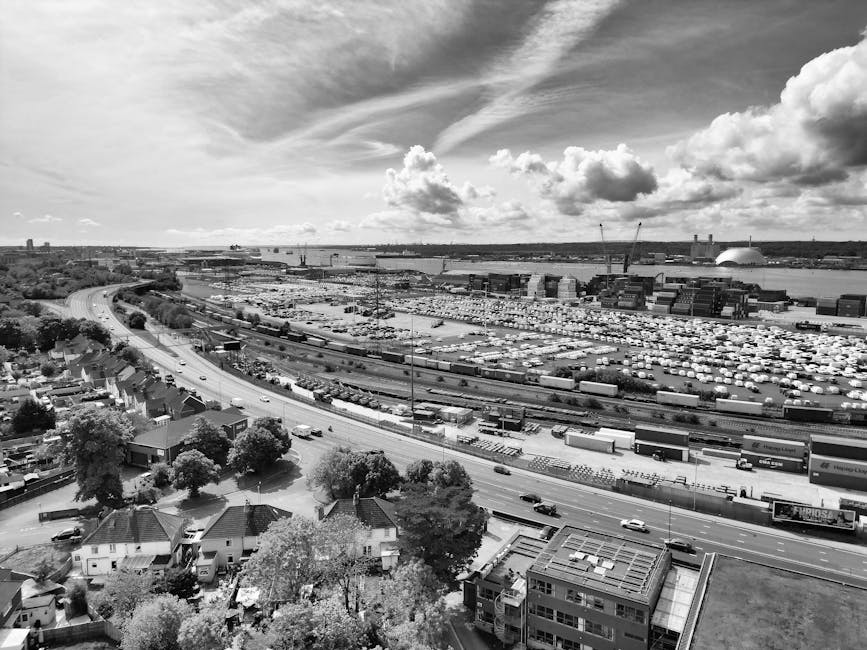
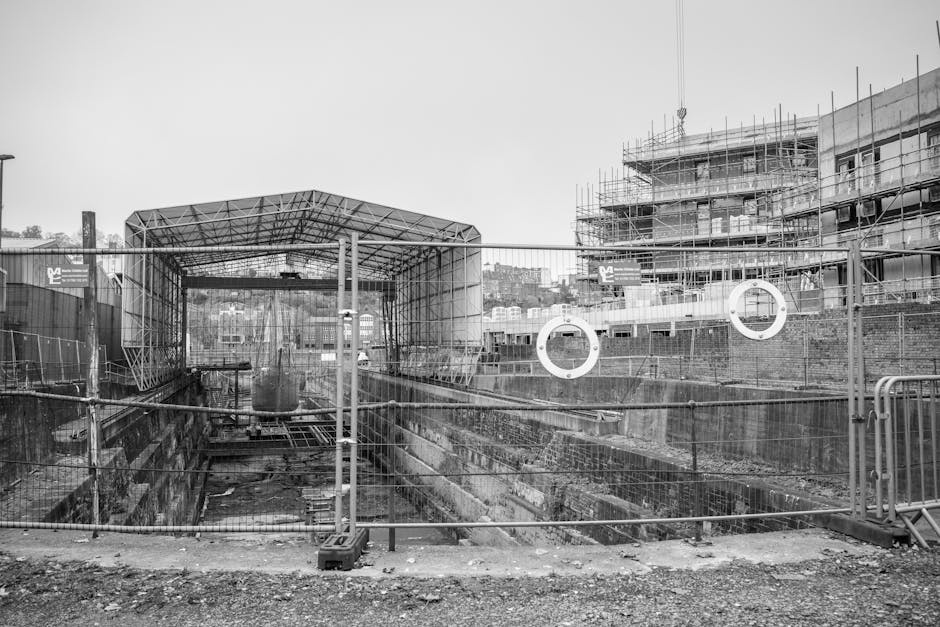
Woolwich is a district in south-east London on the south bank of the River Thames, long associated with military, industrial and riverside history. The area grew in importance because of the Royal Arsenal, which for centuries was linked to ordnance manufacture and defence supply. That heritage remains visible in the surviving buildings and the wider shape of the district, where converted warehouses, newer housing and older civic streets sit alongside one another. Woolwich also has a strong transport identity, with rail, DLR and river connections shaping how people move in and out of the area. Woolwich Arsenal station and the Elizabeth line stop at Woolwich help connect it to central and east London, while the Woolwich Ferry continues to link both banks of the Thames. The riverfront itself is one of the area’s defining features, with views across to the north side and public space that emphasises the district’s working waterfront past. General Gordon Square gives the town centre a civic open space, and nearby Royal Arsenal Riverside has become one of the most prominent regenerated parts of the locality, mixing residential streets with retained historic fabric. The Woolwich Works cultural venue, housed within part of the restored arsenal site, reflects how former industrial buildings have been adapted for performance and community use. Elsewhere, the area contains a blend of older terraces, post-war development and more recent apartment schemes, which together show the layered character of the district. Woolwich Common adds a green, elevated open landscape, and the wider borough context places the area within a varied part of south-east London that includes established neighbourhoods, river-edge land and routes towards Greenwich and Abbey Wood. The result is a place with a clear historic identity and an evolving present-day streetscape.
When comparing local moving options, it helps to understand how varied the district can be: riverside apartment blocks, older houses, commercial streets and regenerated sites all present different access conditions and building layouts.
That variety is one reason a flexible van-based move can be a practical choice for many Woolwich residents and businesses. Pricing and quotes gives you the next step if you are ready to outline the job and want to see how the moving work can be approached.
Planning a move around access, timing and load type

Good planning does not need to be complicated, but it should be specific. The most helpful information is usually about what is being moved, how much there is and whether the property allows easy loading. Narrow streets, controlled parking or shared entrances can affect how the job is timed, so it is better to include those details early. This applies equally to domestic and commercial moves, where small access issues can have a surprisingly large effect on the day.
One practical way to approach the move is to group items by room or function before the van arrives. That makes it easier to load in a logical order and to identify anything that needs separate handling. If you are moving in stages, or if the collection and delivery points are not both straightforward, it may help to write down the key points in advance. A tidy plan often saves more time than rushing at the start.
If you want to make an enquiry, please include the basics and keep the description accurate. That makes it easier to judge whether a van-based move, a household removals service or a commercial relocation approach is the best fit. For jobs with unusual items, an honest description is more useful than trying to make the move sound simpler than it is. Accurate information is the easiest route to a sensible quote.
Safety, vehicle choice and moving the right way
Moving work should be organised around safety as well as convenience. Heavy items need to be lifted with care, fragile goods need suitable packing, and the vehicle should be sized to suit the load. Choosing the right moving option is not only about what fits physically; it is also about whether the load can be secured properly once it is inside the van. That is why the service pages focus on matching the job to the method.
For those who want to compare support categories, our removal company and removal companies pages explain the broader service landscape, while man and van removals and man with van removal describe more specific transport-led options. Those pages can help you decide whether your move needs a focused van job or a wider removals arrangement.
Safety also includes being realistic about what should be moved together. Overfilling a vehicle or mixing unstable items can create avoidable problems in transit. A good removals plan should leave room for proper securing and clear unloading at the destination. If in doubt, it is usually better to describe the load plainly and let the transport option follow from that.
Getting a quotation and arranging the next step

When you are ready to move forward, the quotation stage should be straightforward. Tell us what needs moving, the collection and delivery points, whether there are stairs or lift access, and whether any items are especially heavy or awkward. That gives a workable basis for estimating the job and deciding whether the move is best handled as a small transport run, a home move or a more structured removals booking. Clear input leads to a clearer response.
Our contact us page is the best place to send your details if you would like to discuss the job and request a quote. If you are still comparing options, the about us page, the insurance and safety page and the recycling and sustainability page may also be useful. They provide more context on the way the wider service is presented and how practical responsibilities are handled.
Whether you need a single-item collection or a more involved move, the next step is simply to outline the work. Send the basics, mention anything unusual, and ask for a quotation. We will take it from there and help you choose the most suitable moving arrangement for your Woolwich job.