Woolwich Removals: When Road Closure Permits Apply
Posted on 06/07/2026
If you are planning a move in Woolwich, there is a good chance the hardest part will not be the lifting, the packing, or even the stairs. It may be the street outside. Narrow roads, controlled parking zones, busy delivery times, and awkward access can quickly turn a straightforward move into a logistical headache. That is where Woolwich Removals: When Road Closure Permits Apply becomes more than a technical phrase. It is the difference between a smooth moving day and a van sitting at the wrong end of the street while everyone looks at the clock.
This guide explains when a road closure permit may be needed, why it matters for removals, and how to plan your move without overcomplicating things. We will also cover practical steps, common mistakes, and the kind of local considerations that often get missed until the morning of the move. Truth be told, a little planning here saves a lot of stress later.
Why Woolwich Removals: When Road Closure Permits Apply Matters
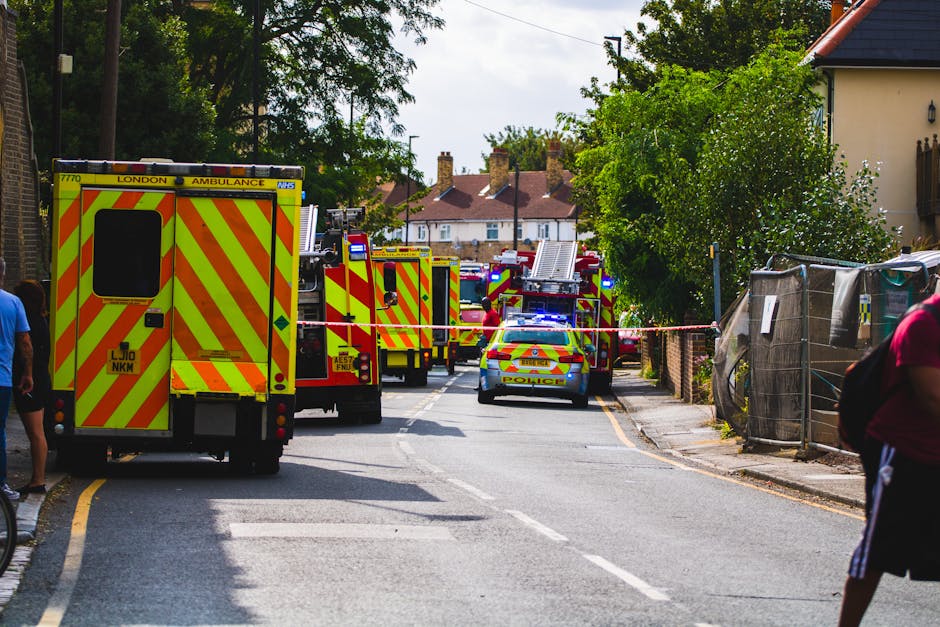
A road closure permit is not something most people think about until the move is already under way. But in Woolwich, it can become relevant surprisingly quickly. If a removals van needs to stop in a position that blocks traffic, prevents access for neighbours, or affects a busy residential street, the move may require more than just a parking arrangement. In some cases, a temporary road closure or traffic management approval may be needed to keep everyone safe and keep the move legal.
The reason this matters is simple: removals are time-sensitive, awkward, and often physically demanding. A sofa stuck halfway through a terrace entrance is one problem. A delivery lorry trying to squeeze past that same entrance is another. And if the street is already tight, a planned road closure can protect both the moving team and everyone else using the road.
For local moves, the practical issue is often not the distance travelled but the access at each end. That is why guides like Woolwich council parking permits for removals explained and SE18 removals best routes and parking tips for Woolwich are so useful alongside this topic. Parking and road access are two sides of the same coin.
Expert summary: If your removal vehicle needs to obstruct a road, create a temporary no-through route, or work in a street where safety risks are high, you may need a road closure permit or traffic management approval. The earlier you check, the better.
How Woolwich Removals: When Road Closure Permits Apply Works
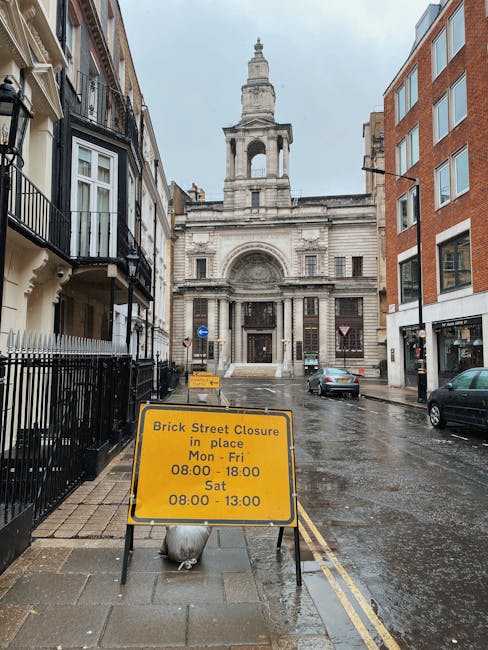
Road closure permits are usually considered when standard parking or loading arrangements are not enough. The exact requirement depends on the street layout, traffic levels, vehicle size, access points, and how long the obstruction would last. In plain English: if a removals van can park neatly at the kerb without causing disruption, you are usually looking at a parking or loading solution. If the van or moving activity would block the road, that is when road closure questions start to matter.
There is no one-size-fits-all rule because each road is different. A quiet cul-de-sac with a short loading window is very different from a busier route near local amenities, schools, or bus services. In Woolwich, where housing types vary from flats and maisonettes to terraced streets and busier main-road side roads, that difference matters more than people expect.
In practice, the process normally begins with assessing the move itself. Ask: will the vehicle need to stop in a way that prevents two-way traffic? Will the crew need extra space for bulky furniture? Is the access road too narrow for safe passing? If the answer to any of those is yes, a more formal traffic solution may be needed. It can be temporary, specific to a time slot, and sometimes combined with cones, notices, or marshalled access. A move on a busy Friday afternoon is a very different beast from a quiet Tuesday morning. You feel it immediately on the street.
For moves involving awkward access, it also helps to read Woolwich Dockyard removals navigating narrow access and moving large items through Woolwich flats and narrow halls. The street plan and the building plan need to work together, otherwise something gives.
Key Benefits and Practical Advantages
Applying for the right permit or traffic arrangement is not just about ticking a compliance box. It directly improves the move itself. Done well, it reduces friction at every stage.
- Safer loading and unloading: More space means fewer trips with heavy items and less risk of someone being forced into the road.
- Less delay: A protected space for the removals vehicle cuts down on circling, double-parking stress, and awkward last-minute repositioning.
- Better neighbour relations: Let's face it, nobody loves a blocked street. Clear planning keeps tempers cooler.
- Lower damage risk: Fewer awkward manoeuvres means less chance of scrapes on walls, doors, vans, or furniture.
- More predictable timing: A move runs better when everyone knows where the vehicle can stop and for how long.
There is also a quieter benefit: peace of mind. Once the access question is settled, the rest of the moving day tends to feel more manageable. That matters, especially if you are juggling work, children, pets, or a lease end date. A permit can seem like a hassle at first, but in many cases it is the thing that turns chaos into a plan.
If you are packing too, the same organised approach helps elsewhere. Our guide to packing like a pro techniques for a better move is a sensible companion read because good packing and good access planning often save the most time together.
Who This Is For and When It Makes Sense
Not every move needs a road closure permit. Most do not. But certain Woolwich removals are much more likely to need one, or at least a closer look at the rules.
It makes sense to investigate when you are:
- moving from a narrow residential street with limited passing space;
- using a larger removals vehicle or multiple vans;
- working from a flat with no practical off-street loading area;
- moving bulky items such as wardrobes, pianos, or large sofas;
- planning a same-day move where time pressure is high;
- moving during a busy time of day when traffic is already heavy;
- dealing with a street that is heavily parked on both sides.
Students moving out of smaller properties may think they are automatically exempt from the issue, but not always. If a parking bay or loading point is unavailable, even a modest move can create a blockage. Likewise, office or commercial removals can trigger different requirements because of delivery access, footfall, and vehicle size. If you are unsure, it is far better to ask the question early than to improvise on the morning.
Some customers only realise the street is the problem after they have already booked the van. That is where services such as same day removals Woolwich can be useful, but only if the access arrangement is realistic. Fast does not help much if the van has nowhere safe to stop.
Step-by-Step Guidance
Here is a practical way to handle the permit question without making it more complicated than it needs to be.
- Check the street conditions at both addresses. Look at width, parking pressure, traffic flow, and whether the van can stand without blocking access.
- Measure the vehicle and the route. If the removals van is large, check whether it can safely enter, turn, and leave. Tight corners catch people out all the time.
- Assess the duration of the move. A quick box drop is different from a full house move with furniture dismantling and reassembly.
- Identify special items. A piano, freezer, sofa, or bed frame may need more staging space, which can affect road use.
- Speak to the relevant local authority or managing body early. If the move is likely to affect the carriageway, do not leave it to the day before.
- Coordinate with the removals team. The crew should know where they can park, how long they have, and whether access must be protected.
- Prepare the property internally. Clear hallways, protect floors, and keep essential items separate so the loading window is used efficiently.
- Keep proof and contact details handy. If an issue arises, you want the right reference information available without hunting through emails.
A small but useful point: if the move involves awkward lifting, narrow access or heavy items, combine permit planning with safe handling planning. Our articles on why kinetic lifting is gamechanging for everyone and solo strategies for safely lifting heavy items are worth a look. Good movement on the inside and good access on the outside go hand in hand.
Expert Tips for Better Results
After enough moves, you notice a pattern. The smooth ones are rarely the ones with the fanciest equipment. They are the ones with decent planning, clear communication, and a realistic view of the street.
- Visit the site at the same time of day as the move. A road can look calm at 9am and impossible at 4pm.
- Build a buffer into your booking. Even a 15-minute delay can snowball if parking is tight.
- Choose a loading strategy before moving day. Decide which items come out first so the van is used efficiently.
- Protect fragile or awkward items in advance. A moving blanket and a bit of planning beat improvisation every time.
- Tell neighbours early if the street will be busy. A quick note can avoid complaints and confused cars blocking the vehicle.
- Keep an eye on weather. Rain, wind, and low light make road-side loading slower. Sometimes much slower.
One practical tip people often miss: do not assume a smaller van automatically avoids permit issues. A compact van can still block access if the street is especially tight or the loading angle is poor. The shape of the street matters as much as the size of the vehicle. Funny how often that gets ignored.
If you are moving a sofa or larger household items into storage, you may also find it useful to read expert advice for preserving your sofa in storage and storage Woolwich. A move becomes simpler when you treat access, storage, and transport as one joined-up job rather than three separate headaches.
Common Mistakes to Avoid
A lot of permit problems happen because people are genuinely busy, not because they are careless. Still, the same mistakes come up again and again.
- Leaving it too late: If a permit is needed, last-minute applications can cause panic or force a bad workaround.
- Assuming parking is the same as loading permission: It often is not. Loading, waiting, and obstruction are different issues.
- Forgetting both ends of the move: The origin may be fine while the destination is impossible.
- Not planning for bulky furniture: One wardrobe or piano can change the whole access picture.
- Ignoring local restrictions: Busier roads, school runs, and resident parking pressures can all affect the move.
- Failing to brief the removals team: If the driver does not know the access plan, they may arrive and have to improvise.
Another common one: people think a permit solves every problem. It helps, yes. But if the route is too narrow, if the building access is unsafe, or if the loading time is unrealistic, a permit is only part of the answer. Sometimes the better move is to split the job, book more time, or use storage for a day or two.
That is why banish clutter and prepare for your new house can be useful before the move. The less unnecessary stuff you move, the easier it is to manage the street-side logistics.
Tools, Resources and Recommendations
You do not need a huge toolkit for this kind of planning, but a few simple resources make the process far smoother.
- Checklists: A written moving checklist keeps permit tasks from being forgotten in the noise of packing.
- Measurements: Door widths, stair bends, van size, and street width are worth noting before moving day.
- Floor protection: Especially useful for flats and houses with polished floors or tight entryways.
- Labels and box markers: Faster unloading means less time blocking a road or loading bay.
- Furniture protection supplies: Blankets, wraps, and straps reduce the need for repeated loading attempts.
- Communication notes: Keep your booking reference, access instructions, and arrival time in one place.
If you are still deciding on the right service level, the pages for removals Woolwich, man with a van Woolwich, and house removals Woolwich can help you compare what kind of support fits your move. Sometimes a smaller, more nimble service is enough. Sometimes you need the full setup. Depends on the day, really.
For broader planning, services overview is a sensible place to understand how the moving pieces fit together, especially if your relocation also includes packing support, storage, or specialist item handling.
Law, Compliance, Standards and Best Practice
With road use and moving vehicles, compliance matters. The exact permit requirements depend on local conditions and the nature of the obstruction, so it is always safer to treat this as a planning issue rather than a guess. If a move affects a public road, footway, loading area, or traffic flow, there may be rules around safety, signage, timing, and vehicle positioning. Those rules are there for a reason. Not just to make life harder.
Best practice is to align your removal plan with ordinary UK road safety expectations: avoid unsafe obstruction, communicate clearly, and give yourself enough time to load without rushing. For many domestic moves, this means a temporary parking arrangement is enough. For tighter streets or larger-scale moves, a fuller traffic solution may be needed. You should never assume that because a van "fits" physically, the setup is automatically acceptable from a traffic-management point of view.
It also helps to think about duty of care. If your move creates risk for pedestrians, neighbours, or passing vehicles, that risk should be reduced before the first box comes out. In practice, that means positioning the vehicle carefully, using competent movers, and choosing a realistic time window. If you are using professional support, check that the team works with proper safety procedures and insurance arrangements. Our insurance and safety page and health and safety policy provide useful reassurance on how those basics are approached.
For customers who want to understand how agreements and payments are handled, terms and conditions and payment and security are also worth checking. A good move is not just fast. It is properly set up.
Options, Methods and Comparison Table
Not every move needs the same level of access management. Here is a simple comparison to help you decide what kind of approach makes sense.
| Approach | Best for | Advantages | Watch-outs |
|---|---|---|---|
| Standard parking/loading arrangement | Simple moves with clear kerbside access | Quick, familiar, usually easy to organise | Can fail on narrow or busy streets |
| Temporary parking restriction or loading bay use | Moves where space must be reserved for a short window | More reliable than ad hoc parking, less disruption than a closure | Needs early checking and careful timing |
| Road closure or stronger traffic control | Very tight streets, bulky items, high obstruction risk | Safest and most controlled access setup | More planning, more lead time, more coordination |
The key is not choosing the biggest solution. It is choosing the right one. A full closure for a small flat move would be overkill. But trying to squeeze a full house move into a street with no space to pause? That is when problems start.
Where the job is small and fast, man and van Woolwich or removal van Woolwich can be the right fit. Where the job is larger or more complex, a broader removals plan may be smarter. You do not always need more muscle. Sometimes you need better logistics.
Case Study or Real-World Example
Picture a typical Woolwich flat move on a weekday morning. The property is on a street with heavy resident parking, the front entrance opens directly onto the pavement, and the lift is not an option because there is no lift. The couple moving out have a bed, a sofa, several boxes, and a large freezer waiting to be collected later. Nothing dramatic. Just a fairly ordinary move, which is exactly where access planning is easy to underestimate.
At first glance, they think a van can simply pull up outside for half an hour. In reality, the street is narrow enough that a badly parked vehicle would cause passing cars to slow down, and the loading zone fills quickly. After checking the access in advance, they arrange a controlled loading plan and split the move into timed stages. The larger items go first. The boxes follow. The freezer is handled separately, with a plan for safe idle storage in the meantime.
The move still takes effort, but it is calm effort. The van is where it needs to be. Neighbours are informed. Doors are propped safely. No one is standing in the road wondering what happens next. And that, honestly, is what good removals planning looks like when it works.
For similar situations, it can also help to read moving out of a flat on Powis Street Woolwich and comprehensive house cleaning guide for movers. Small details before and after the move can make a big difference.
Practical Checklist
Use this checklist in the days leading up to the move. It is simple, but it catches a lot of the missed bits.
- Confirm whether the street outside both properties can safely take a removals vehicle.
- Check if any part of the move will block traffic, access, or emergency routes.
- Measure awkward furniture and note any narrow turns, low ceilings, or tight halls.
- Decide whether a permit, loading arrangement, or road closure approval may be needed.
- Speak to your removals provider about access at both ends of the journey.
- Pack and label boxes so unloading is quick and organised.
- Separate essentials, valuables, and fragile items before the van arrives.
- Keep key contact details, booking information, and access notes to hand.
- Tell neighbours if the move is likely to affect the street outside.
- Build in time for delays. A little breathing room helps more than people think.
If you need help choosing the right service, the pages for removal services Woolwich, removal companies Woolwich, and furniture removals Woolwich may help you narrow things down. And if you are still at the very beginning, packing and boxes Woolwich is useful for getting the basics in order.
Get a free quote today and see how much you can save.
Conclusion
Road closure permits are not needed for every Woolwich move, but when they are needed, they matter a great deal. They protect the street, reduce stress, and help the removals team work safely and efficiently. In a place like Woolwich, where access can change from one road to the next, a little forethought goes a long way.
The best approach is practical, not dramatic. Check the street. Check the vehicle. Check the timing. If the move might obstruct traffic or create a safety issue, deal with that early rather than hoping it will sort itself out on the day. It rarely does. And to be fair, you have enough to think about without adding a van-versus-curb dilemma at 8am.
Whether you are moving from a flat, a family house, or an office, the same rule applies: the smarter the access plan, the smoother the whole day feels. That calm start matters more than people realise.
For more about the team behind the service, visit our about us page, or if you are ready to talk through your move, contact us. A well-planned move has a quiet kind of confidence to it, and that is a very good place to start.