SE18 Removals: Best Routes & Parking Tips for Woolwich
Posted on 15/05/2026
SE18 Removals: Best Routes & Parking Tips for Woolwich
If you are planning a move in Woolwich, the route you choose and where you park can make the difference between a calm, efficient day and a frustrating one. SE18 removals are rarely just about lifting boxes into a van; they are about timing, access, road layout, traffic pinch points, loading space, and knowing how to work with a busy South East London neighbourhood rather than against it. In a place like Woolwich, that matters a lot more than people expect.
This guide pulls together the practical side of moving in SE18: how to plan your route, how to think about parking, what to watch out for near flats and estates, and how to reduce delays without creating stress for you, your neighbours, or the removal crew. You will also find links to useful resources on local removals in Woolwich, man and van services, and preparation guides like packing like a pro and preparing for your new house. A little planning here goes a long way. Truth be told, it can save the whole day.
Why SE18 Removals: Best Routes & Parking Tips for Woolwich Matters
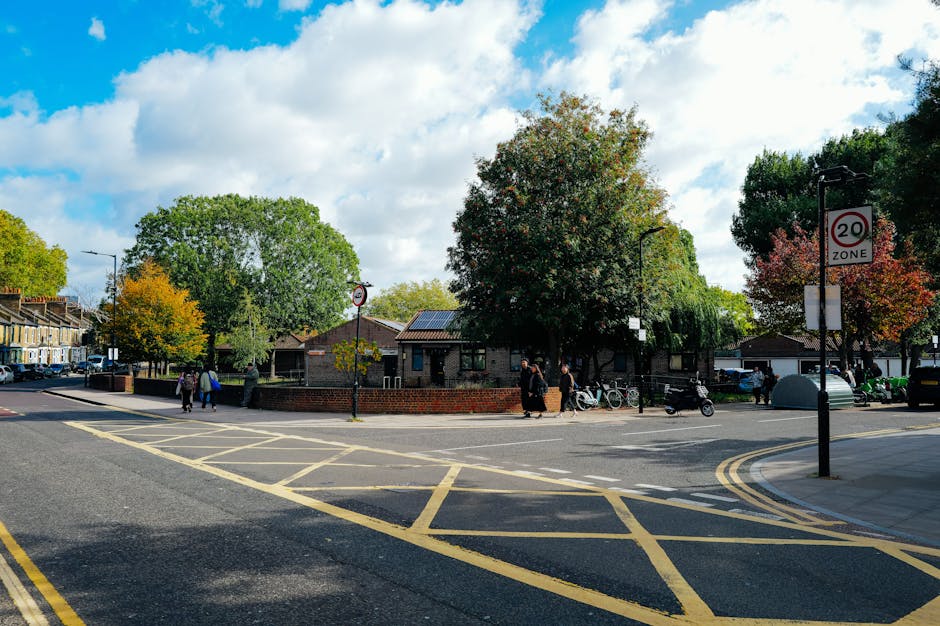
Woolwich has a very mixed moving landscape. Some streets are straightforward. Others, especially around flats, terraces, school runs, and busier roads, can be awkward if you have not thought through access properly. That is why route planning and parking strategy are not little details. They are part of the job.
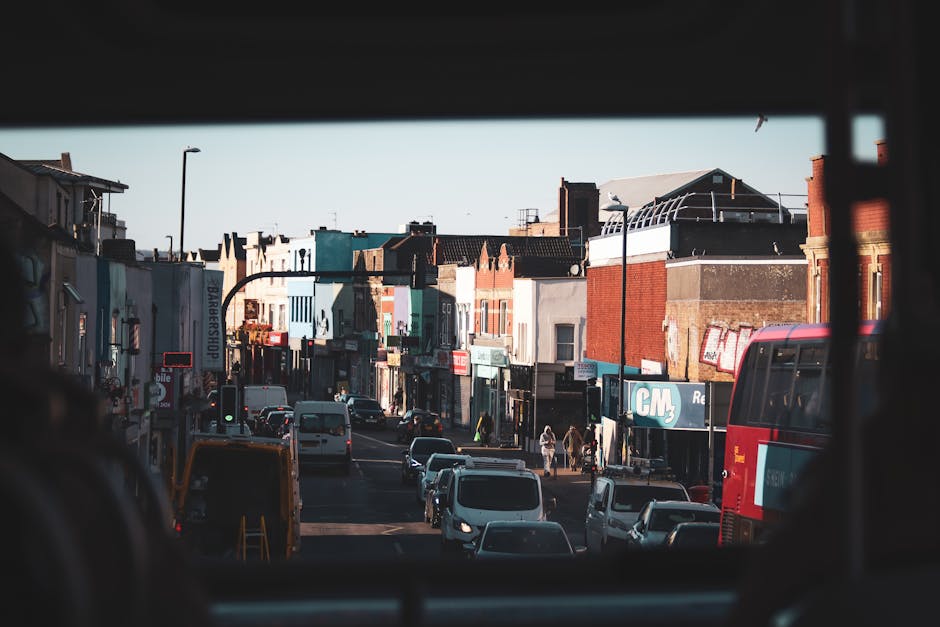
For removals in SE18, the real challenge is often not distance but access. A van can be perfectly capable, and still end up delayed because of narrow turning points, double parking, timed restrictions, or a loading bay that is already taken. If you are moving from a flat or a maisonette, those extra minutes become even more valuable because stairs, lifts, and shared entrances all add friction. If you want a broader overview of the local service side, the services overview and house removals Woolwich pages are useful places to start.
There is also a people side to this. Neighbours still need access. Councils still expect vehicles to park considerately. And if you are using a removal van, the driver needs room to load safely without blocking pavements or causing unnecessary tension outside your building. Let's face it, nobody wants to be that moving day story the block talks about for weeks.
In practical terms, a good route and parking plan helps you:
- reduce carrying distance from property to vehicle
- avoid wasted time circling for a space
- protect heavy or awkward items from extra handling
- keep the move calmer for everyone involved
- lower the chance of damage, fines, or neighbour complaints
For anyone moving a flat, student room, family home, or office, those gains matter. If you are moving out of a compact property, a page like flat removals in Woolwich may also be relevant, especially where stair access and parking pressure are part of the picture.
How SE18 Removals: Best Routes & Parking Tips for Woolwich Works
The process sounds simple on paper: choose a route, park the van, load the items, and leave. In real life, it works best as a sequence of small decisions that all support each other.
First, the route needs to suit the vehicle and the property, not just the postcode. A wide road might look ideal until you realise the nearest legal stopping place is around the corner and the walk is across a busy pavement. A slightly longer route can be better if it lets the van stop closer to the entrance or avoids a road with awkward access at certain hours.
Second, parking needs to be thought about in advance. You want to know whether there is curbside space, a loading bay, controlled parking, estate access, or any waiting restrictions. In some cases, you may also need to ask building management or the local authority about permits or temporary arrangements. That is especially important for busy streets and flats where space disappears fast. If you are arranging a more flexible job, same day removals in Woolwich can sometimes help, but same-day does not mean same-level planning can be skipped. Far from it.
Third, the move should be organised around the parking position. If the van can sit close to the door, pack the largest items first and use the shortest internal route. If the van has to park further away, make sure trolleys, sacks, and protective wrapping are ready so the team is not carrying loose items back and forth. You can see why good packing technique and the right packing and boxes support can make a surprising difference.
A realistic Woolwich move often includes one of these setups:
- a small van on a residential street with limited lay-by space
- a larger removal van using a wider road and short carry distance
- a flat move where one person manages parking while others load
- an office move where access windows matter more than road distance
That last one is worth noting. Office relocations often need the van parked, loaded, and cleared quickly to avoid disruption. If that sounds familiar, the office removals Woolwich service page is worth a look.
Key Benefits and Practical Advantages
Good route and parking planning may not sound glamorous, but it gives you very real advantages. The biggest one is time. Less time hunting for a space means more time actually moving. And in removals, time is not just money; it is also energy, patience, and safety.
Another benefit is reduced handling. Every extra lift, twist, and carry increases the chance of nicked walls, scraped furniture, or sore backs. A well-positioned van means less strain on the team and less chance of that awkward moment where someone has to carry a wardrobe half a street because the original stop was not workable. Nobody enjoys that. Nobody.
There is also a trust angle. When customers see a move start with sensible planning, they relax. When the crew arrives with a clear idea of where to stop, where to load, and how to handle access, the whole day feels more professional. That matters if you are comparing removal companies in Woolwich or deciding between a full team and a smaller man with a van in Woolwich setup.
Here are the practical advantages in plain English:
- Cleaner logistics: the move follows a plan instead of reacting to problems.
- Safer lifting: less carrying distance lowers strain and slip risk.
- Better neighbour relations: fewer blocked accesses and fewer complaints.
- Faster turnaround: especially useful for rented homes with tight handover times.
- Lower stress: because you are not improvising every five minutes.
It also helps with specialist items. A piano, for example, is not something you want to move after ten minutes of parking chaos and a rushed start. If that is part of your move, piano removals in Woolwich and the related guide on professional assistance for piano moving are worth reading before the day arrives.
Who This Is For and When It Makes Sense
This guidance is useful for almost anyone moving in SE18, but some people will feel the benefit more sharply than others.
If you are in a flat above street level, parking and carry distance become a real issue. If you are moving a family home, there is usually more volume, more furniture, and more chances for delay if the vehicle is not in the right place. Students often have a different problem: a small move can still be awkward if access is tight, the lift is out of order, or a road is blocked at the wrong time. That is why student removals in Woolwich often need a nimble, well-timed approach.
It also makes sense if:
- you are moving from a busy high street or busier residential road
- your property has limited loading space
- you need to work around school runs, deliveries, or commuter traffic
- you have bulky items like sofas, beds, or appliances
- you are coordinating several helpers and need a clean plan
People moving into or out of storage should pay attention too. If you are using storage in Woolwich, the route to the unit and the parking at both ends can matter just as much as the main move. The same goes for moves that are being split across a day or two. A rushed parking decision now can become three extra trips later. Not ideal, to be fair.
If you want a more general support page for the full moving process, removal services in Woolwich and removals Woolwich give a broad view of what can be arranged.
Step-by-Step Guidance
Here is a practical way to plan your SE18 move without overcomplicating it.
- Map the start and end points properly. Do not just look at the postcode. Check the exact entrance, road width, and likely stopping places.
- Look for loading options. A legal loading point, short-stay bay, or clearly accessible residential curb can make all the difference.
- Check timing pressures. Think about school drop-off, rush hour, bin collection, and any known local bottlenecks.
- Match vehicle size to access. A larger van may reduce trips, but a smaller van can sometimes park more easily.
- Prepare the path inside the property. Clear hallways, move loose rugs, and keep doors open where safe to do so.
- Stage furniture near the exit. Bigger items should be ready to go first, not buried behind small boxes.
- Protect the items that suffer most. Mattresses, sofas, glass, and appliances should be wrapped or covered properly. The articles on bed and mattress transport and sofa storage are good companions here.
- Decide who handles parking on the day. If one person can manage the vehicle while others carry, things usually run more smoothly.
- Leave a small buffer. A 15-minute delay is common enough. A bit of buffer keeps it from snowballing.
A small but useful detail: keep keys, paperwork, and phone chargers in one bag. When the van is parked and everyone is busy, the last thing you want is a key hunt. It happens more often than people admit.
Expert Tips for Better Results
There are a few habits that make local removals feel easier almost immediately.
1. Scout the street at roughly the same time of day. A road that looks empty at 10 a.m. might be crowded at school pick-up time. If you can, do a quick check before moving day. It is a simple trick, but it saves surprises.
2. Think in terms of carry distance, not just parking distance. Sometimes a legal space a little further away is better than a risky stop right outside the door. But if that extra distance turns into repeated long carries, you may want to rethink the route or vehicle size.
3. Keep heavy items close to the exit. Sofas, wardrobes, fridges, and beds should not be the last thing you deal with. The more you can simplify the handover from property to van, the better.
4. Protect the crew's movement path. Wet leaves, loose gravel, cords, and open bins can create little hazards that become big annoyances. If the weather turns damp, the pavement can feel slick before you notice it. Woolwich mornings can be like that sometimes.
5. Ask about access before the job starts. If there is a gate code, concierge, timed entry, or shared driveway, share it early. A moving team can only plan well if they have the right details.
6. Use specialist help for awkward items. Heavy lifting is not something to improvise. A guide like solo strategies for lifting heavy items is helpful for understanding risk, but for bulky objects, getting trained help is usually the smarter move.
7. Keep the tone calm. Sounds obvious, but the mood on the day matters. A calm start tends to stay calmer. Even when the parking is awkward. Especially then.
If you like the practical side of moving preparation, you may also find creating harmony in the chaos of moving house reassuring, especially if your move has a few moving parts, quite literally.
Common Mistakes to Avoid
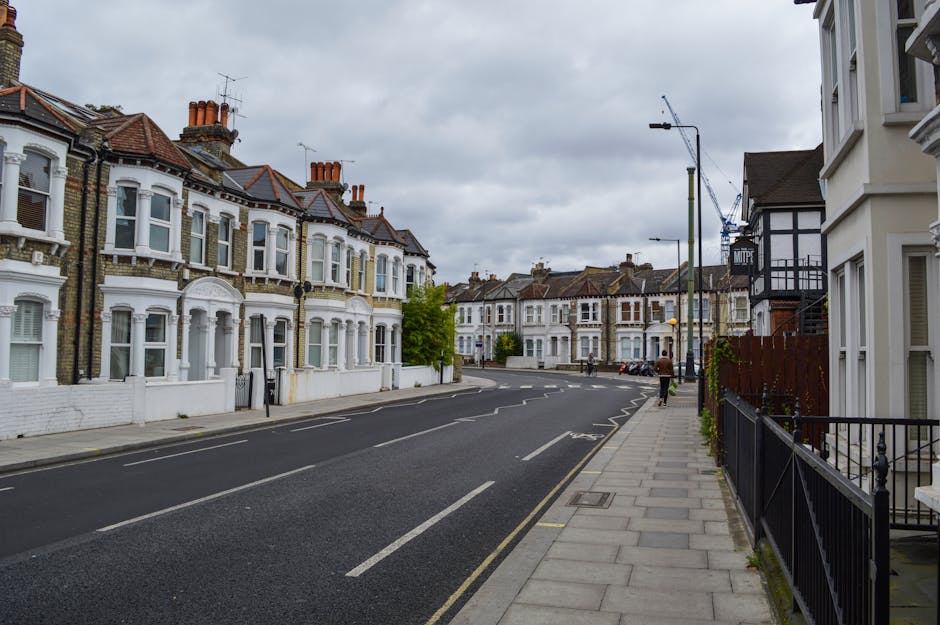
Some mistakes crop up again and again in Woolwich moves. The good news is they are avoidable once you know what to look for.
- Assuming parking will sort itself out. It usually does not.
- Choosing the route only by map distance. A shorter route on paper may be a worse route in reality.
- Ignoring timing restrictions. A street can be easy to reach but poor to stop on at certain hours.
- Leaving bulky items until the end. That is how the whole day ends in a muddle.
- Not checking access for flats or estates. Shared entrances and lift access can slow everything down.
- Forgetting to protect the property. A door frame or stair corner can be damaged in seconds.
- Not having the right boxes or wrapping. If you are still gathering supplies, packing materials in Woolwich is worth sorting out early.
A common one, and it sounds small, is poor decluttering. If you take too much with you, you make parking, loading, and stacking harder. The result is a slower move and more stress at the destination. Better to trim the load before the van arrives. There is a solid guide on decluttering before a new house move if you want a clean starting point.
Another mistake is forgetting that appliances need special handling. Freezers, for example, do not love being rushed, tipped, or stored badly. If yours will be idle during the move, read protecting your freezer from damage during storage before you unplug it.
Tools, Resources and Recommendations
You do not need a mountain of equipment to move well, but a few tools make local removals much easier.
| Tool or Resource | Why it helps | Best for |
|---|---|---|
| Furniture blankets | Helps prevent scratches, knocks, and scuffs during loading | Sofas, tables, white goods |
| Labels and marker pens | Keeps boxes organised and speeds unloading | All household moves |
| Ratchet straps | Secures items in the van so they do not shift in transit | Heavy or awkward loads |
| Moving dolly or sack truck | Reduces strain when moving boxes or appliances short distances | Flats and longer carry routes |
| Floor protectors | Helps protect hallways and entrances from dirt or damage | Managed buildings, clean properties |
| Local moving advice pages | Help you match service type to your move | Planning and comparison |
If you are comparing service types, the distinction between a removal van in Woolwich and a broader full-service team can be useful. A van with a driver may suit small-to-medium moves, while larger homes or more complex access situations may benefit from a fuller crew. That is not a hard rule, just a sensible starting point.
For trust and peace of mind, it is also wise to understand policies around safety and service standards. Pages like health and safety policy, insurance and safety, and payment and security help set expectations before the move. It is one of those things people only appreciate after a problem, which is a bit late really.
Law, Compliance, Standards, or Best Practice
For a local move, the key compliance issues are usually practical rather than technical. You want to park legally, avoid obstructing access, and work safely. In London, that can mean checking local parking rules, loading restrictions, and any building-specific requirements before the van arrives. If you are unsure, it is better to verify than to guess.
Best practice usually includes:
- parking only where stopping is lawful and sensible
- keeping pavements, dropped kerbs, and entrances as clear as possible
- using proper lifting technique and suitable equipment
- communicating access needs clearly before moving day
- keeping fragile or heavy items properly protected
If your move involves items that need extra care, it is worth choosing experienced help rather than hoping for the best. For example, a piano, large wardrobe, or antique cabinet should be handled in line with the mover's safety procedures and your own insurance expectations. If you are comparing companies, reading the about us page can also help you understand the team's approach and working standards.
There is one more point that is easy to overlook: if you are renting, your tenancy or building rules may affect where and when a van can stop. Always check those terms as part of your planning. A little admin now can prevent a very unfun phone call later.
Options, Methods, or Comparison Table
Not every Woolwich move needs the same setup. The right option depends on your volume, access, and schedule.
| Option | Best for | Advantages | Watch out for |
|---|---|---|---|
| Man and van | Smaller homes, student moves, short-distance jobs | Flexible, often easier to park, good for lighter loads | May be less suitable for larger or more complex moves |
| Full removal team | Family homes, larger flats, heavier furniture | Faster loading, more hands, better for bulky items | Needs clearer access planning and parking coordination |
| Same-day removals | Urgent moves, last-minute changes | Fast response, useful when plans shift suddenly | Less time to plan parking and route details |
| Split move with storage | Moves that need staging or delayed delivery | Helps with timing, decluttering, and space constraints | Requires careful item labelling and coordination |
If you are moving a compact home or a single room, a lighter setup can be enough. If you have larger furniture or several floors to navigate, the stronger choice is often a fuller service. For furniture-heavy homes, the dedicated furniture removals Woolwich page may be the most relevant next stop.
Sometimes the smartest option is not the biggest one. It is the one that fits the street, the timing, and the amount you actually need to move.
Case Study or Real-World Example
Consider a typical SE18 flat move on a weekday morning. The property is on a road with limited parking, and the building entrance sits just off the main carriageway. The move includes a sofa, bed frame, mattress, two chests of drawers, and a stack of boxes. Nothing dramatic. But enough to be annoying if the parking goes wrong.
The first decision is to avoid the busiest period if possible. The second is to check whether a short-stay spot is available near the entrance or whether the van will need to stop a little further along. In this kind of move, a small delay while one person scouts the street can save a lot of back-and-forth later.
In practice, the load goes more smoothly if:
- the mattress is wrapped before the van arrives
- the bed frame bolts are bagged and labelled
- the sofa is protected with covers
- box labels tell the team what is fragile
- the carry route is cleared of shoes, plant pots, and loose bags
One small but telling detail: the move feels easier if the first van position is not perfect, just workable. A decent legal space with a clear path beats a "near enough" spot that causes conflict or slows the team down. In real moves, workable wins.
If the household has a piano or other specialist item, the day should be structured even more carefully. That is where specialist advice, like the guide on safer piano moving assistance, becomes very relevant. You do not want improvisation with heavy, sensitive equipment.
Practical Checklist
Use this before the van arrives:
- Confirm the exact property address and entrance point
- Check parking restrictions and likely loading options
- Share access codes, gate details, or building instructions
- Reserve time for loading, especially if stairs are involved
- Wrap fragile, heavy, and awkward items in advance
- Label boxes by room and priority
- Move loose items out of hallways and doorways
- Set aside keys, documents, chargers, and essentials
- Tell neighbours if access may be briefly busy
- Prepare a backup plan if the first parking option is taken
Expert summary: the best Woolwich removals are usually the ones where route planning, parking, and packing are treated as one job. When those three pieces fit together, the day tends to feel shorter, safer, and much less chaotic. That is the real win.
Conclusion
SE18 removals work best when you plan for the street, not just the postcode. Woolwich can be straightforward one minute and awkward the next, which is why route choice and parking strategy matter so much. If you take time to think through access, timing, vehicle size, and loading space, the rest of the move becomes easier to manage.
The good news is you do not need to overcomplicate it. A clear plan, the right supplies, and the right local support are usually enough to keep things moving. If you are still comparing options, the most useful next step is often a quick conversation about your property type, your parking situation, and the items you need to move. From there, everything gets clearer.
Get a free quote today and see how much you can save.
And if you want help making the whole thing feel less heavy, start small, ask the right questions, and trust the practical stuff. That is how good moves are done.