


Moving Large Items Through Woolwich Flats' Narrow Halls
Posted on 12/06/2026
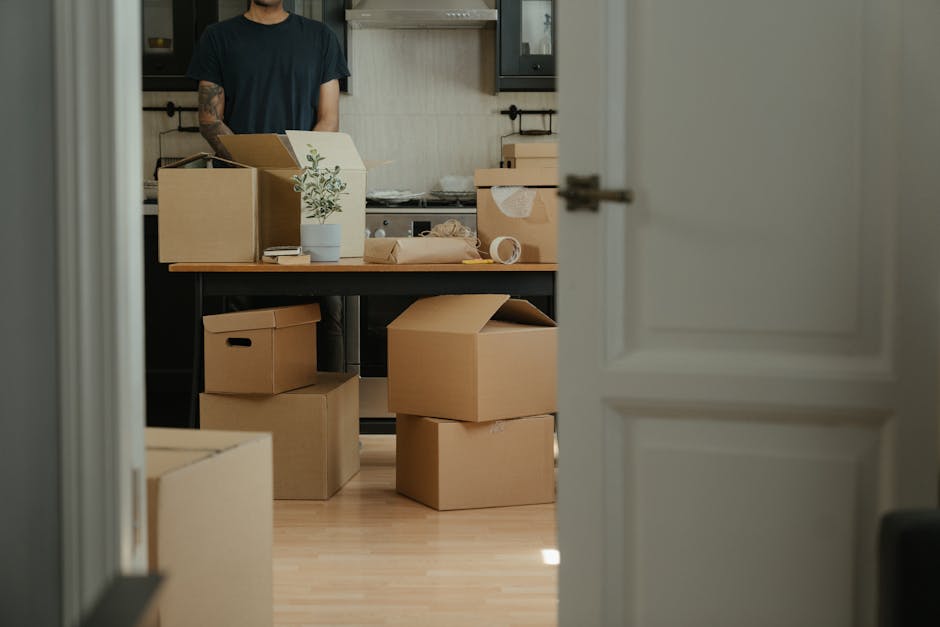
Moving Large Items Through Woolwich Flats' Narrow Halls: A Practical Guide for Safer, Smoother Moves
If you have ever stood in the doorway of a Woolwich flat and looked at a sofa, wardrobe, bed frame, or fridge, you'll know the feeling: it looks fine in the room, but the hallway suddenly feels about half a foot too narrow. Moving Large Items Through Woolwich Flats' Narrow Halls is one of those jobs that can turn a straightforward move into a stressful puzzle very quickly. The good news? With the right planning, a careful technique, and a bit of local know-how, it is usually manageable without drama.
This guide walks through what actually matters on moving day, why narrow access changes the whole approach, and how to handle large furniture and appliances without scraping walls, pinching fingers, or exhausting everyone by 10 a.m. We'll also cover when it makes sense to bring in help, how to prep the item and the route, and a few realistic mistakes people make when they think, "It'll be alright, we'll just wiggle it through." Famous last words, honestly.
Why Moving Large Items Through Woolwich Flats' Narrow Halls Matters
Narrow hallways are more than an inconvenience. They affect the angle of the lift, the number of people needed, the amount of protection you should use, and whether an item should be dismantled before it even reaches the front door. In many Woolwich flats, you're dealing with compact layouts, turns at awkward points, tight landings, and stairwells that leave very little room to rotate a bulky item safely.
That matters for three practical reasons. First, damage risk goes up. A single misjudged turn can chip a wall, scuff a banister, or dent the item itself. Second, injury risk rises when people start twisting, overreaching, or carrying something too heavy for the space available. Third, time gets wasted. A move that should take twenty minutes can stretch into an hour of stopping, repositioning, and debating whether the wardrobe should "just go sideways." It often shouldn't, to be fair.
Woolwich has a mix of period conversions, purpose-built flats, and newer apartment blocks, and that variety means access is rarely one-size-fits-all. Some buildings have fairly tidy shared corridors; others have bends, fire doors, lift restrictions, or tight stair cores. If you're also coordinating parking, loading bays, or timed access, the hallway problem becomes part of a bigger moving-day system. That is why good planning matters so much.
For households moving furniture, appliances, or specialist items, it often helps to think beyond the room itself and map the item's journey from start to finish. If you're sorting multiple pieces, a bit of early decluttering can reduce the load and make the whole process simpler; the advice in banishing clutter before the move is especially useful when space is tight.
How Moving Large Items Through Woolwich Flats' Narrow Halls Works
The process is less about brute strength and more about sequencing. You assess the item, assess the route, and decide whether the piece should be moved intact, partially dismantled, or carried in sections. In practice, the best moves are the boring ones: measured, planned, and calm.
Here's the basic logic. Measure the item at its widest point, then measure the hallway, corners, and door openings that matter. Don't forget handles, protruding legs, hinges, or packaging bulk. A wardrobe might technically fit on paper, then catch on a corner because of a single awkward handle. You then decide the carrying method: upright, tilted, on its side, or split into parts. After that, you clear the route, protect the property, and set a carrying team with clear roles.
A lot of people assume the challenge is only width. It isn't. Height, turning radius, stair pitch, and the ability to "feed" the item through a doorway all matter just as much. Sometimes an item will go through a corridor easily but fail at the turn into the next room. That's where careful positioning, pauses, and tiny adjustments become important. Slow is usually faster here. Strange, but true.
If the item is especially heavy or awkward, specialist lifting technique makes a real difference. Our article on kinetic lifting explains why body mechanics matter so much during moves like this, especially when you're working in confined spaces.
Key Benefits and Practical Advantages
When you handle narrow-hall moves properly, you get more than just a successful transfer from A to B. You also reduce stress, protect the property, and make the move feel far more controlled. That can be a huge relief, especially if you're moving out of a flat where you already have neighbours, time constraints, and building rules to think about.
- Less risk of damage: Padding, planning, and the right route help protect walls, doors, floors, and bannisters.
- Lower chance of injury: Proper lifting and fewer rushed twists reduce strain on backs, shoulders, and knees.
- Faster decision-making: If you know in advance whether an item needs dismantling, the day runs smoother.
- Better control in awkward spaces: Tight hallways reward precision more than force.
- Less emotional friction: Everyone stays calmer when the plan is clear. That sounds soft, but it matters.
There's also a financial advantage, even if it's not always obvious at first glance. Fewer mistakes mean fewer repair costs, less chance of needing an emergency workaround, and a lower likelihood of replacing an item that got damaged during an over-enthusiastic turn in the hallway. If you want a fuller sense of how a professionally organised move reduces friction, creating harmony in the chaos of moving house is a useful companion read.
Who This Is For and When It Makes Sense
This topic is relevant to anyone moving bulky items through compact flats, but some people will feel the pressure more than others. If you live in a Woolwich flat with narrow corridors, shared entrances, or a stairwell that barely allows two people to pass, you're right in the centre of the target audience.
It especially makes sense for:
- tenants moving sofa beds, wardrobes, and bed frames
- homeowners moving white goods into or out of converted flats
- students with awkward furniture and limited access windows
- landlords or agents coordinating turnover between occupiers
- people moving specialist items such as pianos or heavy tables
It's also relevant when you're short on time. Same-day or compressed moves leave very little room for trial and error. If access looks tight and the deadline is real, you may want to think about booking help sooner rather than later. The information on same-day removals in Woolwich is handy if your timing is already tight.
Truth be told, this is one of those situations where experience beats confidence. A strong pair of hands is useful. A careful plan is better.
Step-by-Step Guidance
Here's a practical approach you can follow without overcomplicating things.
- Measure everything first. Measure the item, the hallway width, the door frames, any turns, and the stairwell if relevant. Write the numbers down. Guessing is where the trouble starts.
- Decide whether the item should be dismantled. Remove legs, doors, shelves, cushions, bed slats, or detachable parts where possible. A smaller footprint often changes everything.
- Clear the route. Move shoes, mats, bins, wall hooks, loose frames, and anything else that narrows the path. Even a plant pot can become an annoying obstacle.
- Protect the property. Use door edge protectors, blankets, floor runners, or thick quilted covers on corners and contact points.
- Plan the carry order. Decide who leads, who supports the rear, and who watches corners. If one person is shouting directions from behind a phone, things get messy quickly.
- Test the angles before committing. Bring the item to the hallway and try the turn carefully. You may notice a better tilt or a different entry angle straight away.
- Move in controlled bursts. Lift, pause, reposition, and continue. If the item binds on a corner, stop. Don't power through just because you're halfway there.
- Unload and secure immediately. Once the item is through, place it somewhere stable so nobody stumbles over it while the rest of the move continues.
If you are packing other rooms at the same time, it helps to sequence the day. The step-by-step advice in packing like a pro can save you from trapping the bulky item behind a wall of boxed-up small stuff. That happens more often than people admit.
Expert Tips for Better Results
A few small choices can make the difference between a neat move and a scratchy, exhausting one. These are the details people often skip, then regret later.
Use the hallway like a working channel, not a storage zone
Keep the route completely clear before the item is moved. Don't leave boxes "just for a second" in the pinch point. Narrow hallways need room to breathe.
Wrap contact points properly
Blankets, shrink wrap, and corner protection are worth the effort. If you're moving a sofa, pay attention to arms and feet; if it's a freezer, guard the edges and doors carefully. For colder appliances and idle storage, there's helpful background in protecting your freezer from damage.
Remove pressure from the item before the move
Empty drawers, shelves, and cabinets. A wardrobe with loose contents is harder to control. A bed frame with the mattress still attached? Not ideal. Our guide on transporting beds and mattresses safely covers a few sensible prep points.
Use the strongest route, not just the shortest one
Sometimes the shortest route includes a tight bend, a doorway that won't quite cooperate, or a stair turn that forces an awkward carry. A slightly longer path can be safer and quicker overall.
Speak plainly during the carry
Short commands work best: "pause," "tilt," "hold," "lift." Nobody wants a long explanation when everyone is already balancing a heavy item at shoulder height.
And a small but important note: if an item feels unstable at the halfway point, reset rather than improvise. That little pause can save both the furniture and your nerves.
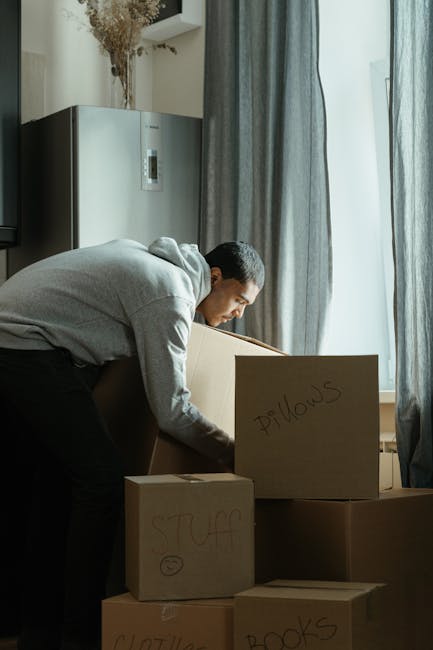
Common Mistakes to Avoid
Most hallway problems come from the same handful of mistakes. They're common because they seem harmless at the start.
- Skipping measurements: "It looks like it'll fit" is not a measurement.
- Forcing the item through: A hard shove can damage the item or the property very fast.
- Ignoring corners and handles: These are the bits that catch first.
- Carrying too many items at once: Two awkward things are harder than one awkward thing. Simple.
- Not protecting floors and walls: A small scrape can become a repair job, especially on painted surfaces.
- Using the wrong team size: Too few people means strain; too many can make the item harder to steer in narrow space.
- Rushing because of neighbours or parking pressure: Pressure is real, but panic is rarely productive.
One more point: people sometimes assume they need more strength when they actually need better handling technique. That's where safe heavy-item lifting strategies can be surprisingly useful, even if you're not literally lifting solo. The principles still apply.
Tools, Resources and Recommendations
You do not need a van full of specialist equipment to move large items through narrow halls, but a few sensible tools make life much easier.
- Furniture blankets: Good for protecting both the item and the surrounding walls.
- Ratchet straps or strong moving straps: Useful for keeping pieces under control once dismantled.
- Gloves with grip: Helpful for reducing slippage on smooth or heavy surfaces.
- Door protectors and floor runners: Excellent for tight routes and shared entrances.
- Basic tools: Screwdrivers, Allen keys, and a small toolkit for dismantling furniture.
- Measuring tape: Essential. No drama, just essential.
For many moves, the most valuable resource is not a gadget but a sensible service setup. If you're comparing support options, the services overview is a good place to understand the broader support available, while furniture removals in Woolwich is especially relevant when the item is heavy, valuable, or awkwardly shaped.
If your move involves a piano, don't treat it like a large chair. Pianos are their own category entirely. Professional assistance for piano moving is worth reading even if you're only trying to judge whether specialist help is needed.
Law, Compliance, Standards, or Best Practice
There isn't a single rulebook for every flat move, but there are sensible UK best practices that should guide the work. In general, anyone carrying out lifting or moving work should avoid unnecessary risk, use suitable equipment where needed, and make sure the route is safe and reasonably clear. If a building has its own access rules, fire safety expectations, or management conditions, those should be followed too.
From a practical point of view, this means three things. First, don't overload people. Second, don't block communal exits or create a trip hazard. Third, think about property protection and neighbour impact. Shared hallways are shared spaces, after all.
If you're hiring help, it's reasonable to ask about safety procedures, insurance, and what happens if access is more difficult than expected. That's part of normal due diligence, not being awkward. In fact, it's the opposite. It shows you're thinking properly.
You may also want to understand how a removal provider handles access challenges, timing, and security. The pages on insurance and safety, health and safety policy, and terms and conditions are the sort of background information that helps build trust before the move day arrives.
Options, Methods, or Comparison Table
There are usually three workable approaches when you need to move a large item through narrow Woolwich hallways: do it yourself, use a small team with the right equipment, or get a professional mover to handle the difficult parts. Which one fits depends on the item, the building, and your tolerance for risk.
| Method | Best for | Pros | Trade-offs |
|---|---|---|---|
| DIY with friends | Light-to-medium bulky items and straightforward access | Lower upfront cost, flexible timing | Higher risk of damage or strain if the hallway is very tight |
| Small team with moving equipment | Medium-heavy furniture, flat moves, awkward corners | Better control, safer handling, less fatigue | Requires planning and suitable tools |
| Professional removal support | Very heavy, valuable, fragile, or unusually awkward items | Experience, efficiency, more confidence in tight spaces | Higher cost than a fully DIY approach |
For compact flat moves where access is a real constraint, flat removals in Woolwich are often the most sensible fit. If the move is larger or includes multiple bulky pieces, house removals may be more appropriate, even if the property itself is a flat and the name sounds a bit grander than it feels on the day.
If your situation is fast-moving, the local guidance on removal services in Woolwich can help you think through the level of support needed.
Case Study or Real-World Example
Imagine a two-bedroom Woolwich flat with a narrow entry hall, one right-angle turn, and a staircase with a tight landing. The main challenge is a large three-seat sofa that has to leave the living room, pivot around the corner, and pass through a shared corridor before reaching the van.
What tends to work best in that situation is surprisingly methodical. The team clears the corridor first, removes the sofa feet if they can be detached, wraps the arms, and assigns one person to guide the front corner through the turn while the other stabilises the rear. The sofa is tilted just enough to change its footprint, then paused halfway through the turn so the angle can be reset. No rushing. No "just lift it higher."
That small pause matters. In a real move, people often discover that the sofa will fit once they rotate it three inches earlier than planned. That's the kind of detail you only see when you're calm enough to notice it. Afterwards, the hallway stays clean, the walls are intact, and nobody feels like they've run a marathon before 11 o'clock.
If the item is still in storage before the move, it can be worth checking how it has been wrapped or packed in the first place. For example, sofa storage advice can help you avoid creating a problem before the item even reaches the hallway.

Practical Checklist
Use this checklist before you start moving anything large through a narrow Woolwich hall.
- Measure the item, hallway, doors, and turns
- Check whether the item can be dismantled safely
- Empty drawers, shelves, and removable compartments
- Remove loose cables, pads, and small attachments
- Protect walls, floors, doors, and corners
- Clear the route from entrance to destination
- Confirm who is lifting, guiding, and spotting corners
- Wear gloves and suitable footwear
- Agree on short commands before the lift
- Have tools ready for quick adjustments
- Allow extra time for awkward bends or stairs
- Stop immediately if the item feels unstable
If you are still at the planning stage, a good first move is to get your details together and compare your options. The pricing and quotes page is a sensible next step if you want to understand how the job might be scoped before you commit.
Conclusion
Moving Large Items Through Woolwich Flats' Narrow Halls is less about strength and more about judgment, preparation, and patience. If you measure accurately, clear the route, protect the property, and choose the right method for the item, the whole process becomes much more manageable. That's especially true in Woolwich, where flats can be compact and access can change from building to building.
The real win is not just getting the item through. It's getting it through without damage, without unnecessary strain, and without turning a move into a minor crisis. A careful plan makes the day feel calmer, and calm tends to save time as well. Oddly enough, being careful is often the quickest route.
When in doubt, choose the safer path. A smooth move is a good feeling, and you remember that feeling long after the boxes are unpacked.
Get a free quote today and see how much you can save.

