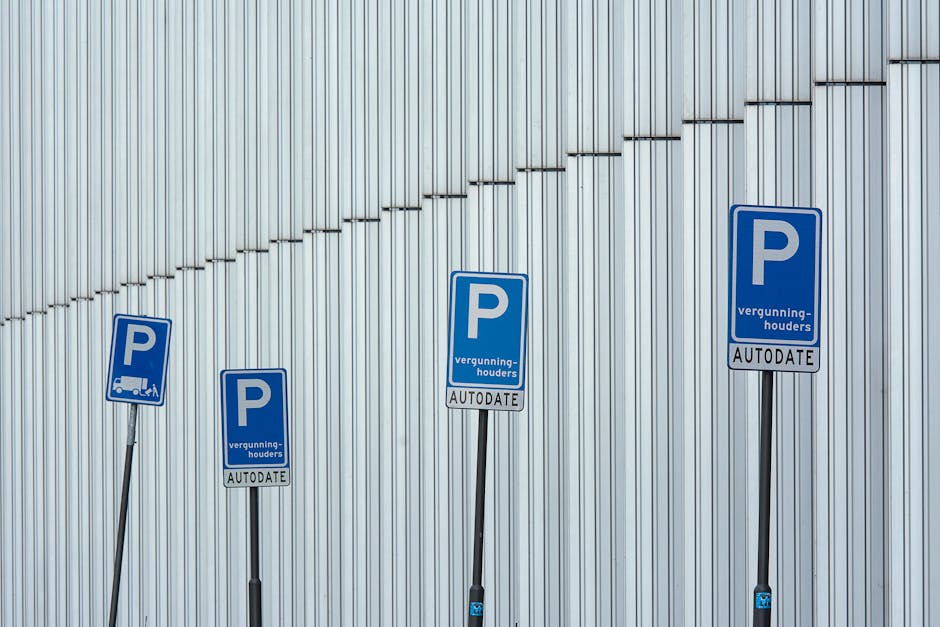
Woolwich Council Parking Permits for Removals Explained
Posted on 22/06/2026
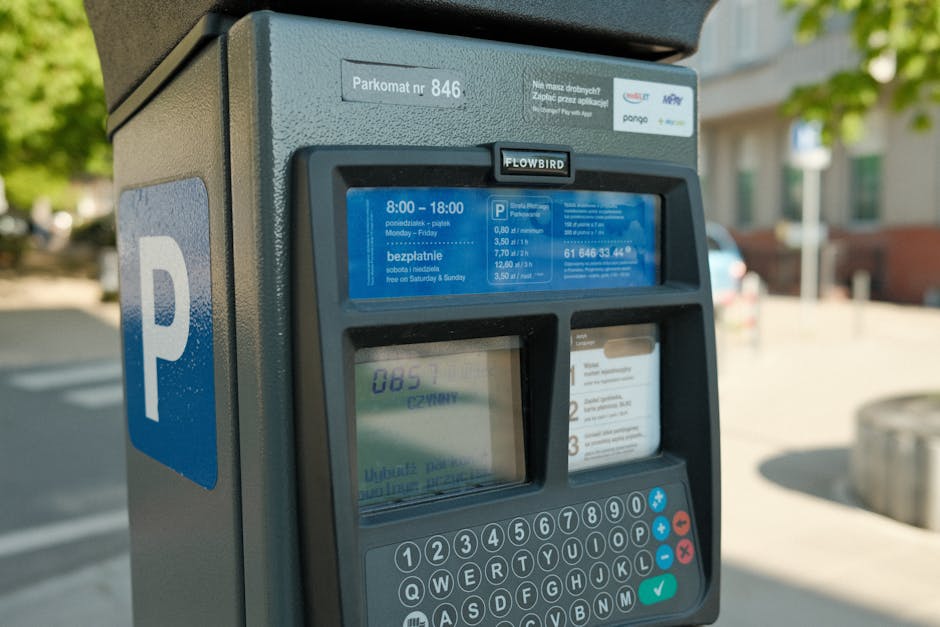
If you are moving in Woolwich, parking can become the bit that throws everything off. The van arrives, the boxes are ready, and then you realise the only space outside the building is already taken. That is exactly where Woolwich Council parking permits for removals come in. They can help you avoid rushed loading, awkward double-parking, and the kind of moving-day friction nobody needs.
This guide explains how removal parking permissions usually work in practical terms, why they matter, who needs them, and how to plan for them without turning the whole move into admin soup. We will keep it plain English, locally grounded, and focused on what actually helps on the day. If you are also getting everything else in order, you may find our guides on packing like a pro and clearing clutter before a house move useful alongside this one.
Truth be told, a lot of moving problems are parking problems wearing a different hat. Get the vehicle position right and the rest of the day tends to breathe easier.
Why Woolwich Council Parking Permits for Removals Explained Matters
Parking permission is not just a nice-to-have. In a busy part of south-east London, the difference between a smooth move and a stressful one can be whether the removal van can stop close enough to the property. If it cannot, everything becomes slower: carrying distance increases, items are exposed for longer, and the risk of damage goes up. That is especially noticeable with heavier furniture, white goods, and awkward items like mattresses or wardrobes.
Woolwich has a mix of housing types: flats, terraced streets, estate roads, and tighter access points where a van may struggle to find a legal stopping place. If you are moving from a flat, especially on streets where access is narrow or parking is limited, planning matters even more. Our article on moving out of a flat in Woolwich gives a feel for how local access can shape the whole job.
From an operational point of view, parking permits for removals protect time, reduce confrontation, and help the team work efficiently. From a customer point of view, they reduce the invisible stress that sits in the background all day. Nobody wants to be halfway through loading a sofa while a frustrated driver waits behind the van. Let's face it, moving day already has enough drama.
There is also a wider planning benefit. When parking is sorted early, you can schedule helpers, lift routes, and timed collections more sensibly. That matters whether you are moving a single room, a student flat, or a full household. It also links neatly with broader preparation, such as reading about creating harmony in the chaos of moving house.
How Woolwich Council Parking Permits for Removals Explained Works
In practical terms, a removal parking permit is an arrangement that allows a van to park in a controlled or restricted space for a specific purpose and time. The exact wording, availability, and application process can vary by council area and by street type, so it is always worth checking the current local guidance before moving day. Woolwich falls within a London borough parking environment where restrictions can be fairly structured, and that means timing and location matter.
Usually, the process starts with identifying the address, the date, and the size of vehicle that will attend. In some cases, you may need to request a dispensation, suspension, or visitor-style parking arrangement depending on the street rules. The key idea is simple: the council temporarily recognises that a legitimate loading activity is taking place. But do not assume this happens automatically. It rarely does.
If your mover is handling the job, they may already know the local pattern of restrictions and can advise on how much space is realistically needed. For example, a standard removal van may need more room than a small man-and-van vehicle, especially if the crew is loading large items. You can read more about vehicle options on our removal van service page and man with a van support in Woolwich.
What matters most is not the permit itself in isolation, but whether it matches the move. A permit for a tiny loading space on a narrow road may still be too awkward if the van doors cannot fully open or there is nowhere safe to carry furniture from. That is why local route planning, not just paperwork, makes such a difference. Our guide to best routes and parking tips in SE18 touches on this from a street-level perspective.
Key Benefits and Practical Advantages
The main benefit is obvious: easier access. But there are several other advantages people often overlook until moving day has already started.
- Shorter carrying distances: Less time moving items between property and vehicle means lower fatigue and lower damage risk.
- Better time control: Teams can load in a more orderly way instead of constantly reshuffling because the van is poorly positioned.
- Lower conflict risk: A valid parking arrangement reduces the chance of complaints from neighbours or passing traffic.
- Safer handling: The closer the van can park, the fewer awkward trips are needed with heavy items.
- Cleaner planning: You can align the booking with other moving tasks like cleaning, packing, and final meter readings.
There is also a psychological benefit that people underestimate. When you know the parking is sorted, the day feels calmer. That sounds small, but it matters. Calm moving days tend to be better moving days. Simple as that.
For larger household moves, the permit can also help protect fragile items by cutting down the number of handovers. If you are moving a sofa or mattress, fewer transitions from doorway to pavement to van usually means less chance of scuffs and snagging. Related reading like how to transport a bed and mattress securely and how to preserve a sofa properly can help you think through those risks in advance.
Who This Is For and When It Makes Sense
Parking permits for removals are most useful when your move involves on-street loading, limited access, or a vehicle that cannot simply pull into a driveway. If that sounds like your situation, the permit conversation should happen early, not the night before.
You are especially likely to need one if you are:
- moving from or into a flat with no private parking
- living on a busy residential street with limited bays
- using a larger van or multiple vehicles
- moving bulky furniture, white goods, or fragile specialist items
- booking a same-day move where time pressure is already high
Students moving into shared accommodation in Woolwich often assume the process is too small to matter. In reality, even a compact move can get delayed if the van has nowhere legal to stop. If your situation is smaller-scale, our student removals in Woolwich page may help you match the move size to the right approach.
Equally, office moves or commercial moves can be sensitive if access needs to be precise and timed around staff or building rules. For that sort of job, a permit plan is only one part of the bigger logistics picture, along with timing windows, building access, and lift availability. The broader service landscape is covered on our office removals Woolwich page and services overview.
Step-by-Step Guidance
Here is the simplest way to approach parking permits for a removal in Woolwich without overcomplicating it.
- Check the street conditions first. Look at whether the property has private parking, controlled parking bays, loading restrictions, or yellow line restrictions. If the road is tight, note where a van could realistically stand.
- Confirm the moving vehicle. Know whether you are using a small van, a larger removal van, or a mixed setup. Vehicle size changes the parking requirement more than people expect.
- Decide who will organise the permit. Sometimes the resident does it. Sometimes the removals company helps. Either way, one person should own the task. No loose ends.
- Apply or request the parking arrangement in good time. Councils and parking teams may need notice, and processing times can vary. Avoid assuming same-day approval unless you have been told that explicitly.
- Share the details with your movers. Give them the address, bay number if relevant, date, time, and any restrictions they should know about.
- Prepare a fallback plan. If the exact loading spot is unavailable, identify a second option nearby. That can save the day if another car has parked in the space you expected.
- Keep documents and confirmation close. A screenshot or written confirmation can be useful if anything needs clarifying on the day.
A small but important point: the permit only helps if everyone knows the plan. If the driver, the resident, and the person doing the booking all have slightly different ideas, things wobble fast. Better to over-communicate than improvise in the rain while someone is holding a kettle box.
If you are still at the planning stage, it is also smart to prepare the load properly. Our piece on packing techniques for a better move and the practical advice in packing and boxes in Woolwich can make the actual loading process much smoother once the van is parked.
Expert Tips for Better Results
Here is where a little experience goes a long way.
Book access before you book the van, if possible. That is not always how people do it, but it often saves a headache. If parking access is awkward, the move should be designed around it rather than treated as an afterthought.
Measure the loading distance. A difference of 10 or 15 metres sounds trivial. It is not. Over a full load, that extra distance can add fatigue, delay, and more chance of bumping walls or doorframes. Especially in narrow hallways and tight stairwells, like the kind often discussed in moving large items through Woolwich flats.
Think about item weight as well as access. Heavy items need more stable parking and better loading angles. If you are moving bulky pieces yourself, a read through safe solo lifting strategies and kinetic lifting advice can give you a safer mindset before the van even arrives.
Use the permit as part of a larger access plan. A good removals team will think about parking, entry route, floor level, and item shape together. That matters for pieces like pianos and awkward furniture. If you are moving something specialist, our piano removals service explains why careful planning beats brute force every time.
Keep neighbours in mind. A quick heads-up can help if a bay will be briefly reserved or if there will be a flurry of loading noise. You do not need a parade of explanation. Just courtesy. It goes a long way.
Common Mistakes to Avoid
Most permit problems are not dramatic. They are boring little mistakes that become big problems under time pressure. Annoying, but fixable.
- Leaving it too late: This is the most common one. Parking arrangements should not be a last-minute thought.
- Assuming one permit suits every van: A small load and a larger moving vehicle have different space needs.
- Forgetting about time windows: If the permit or parking arrangement is only valid at certain hours, the crew needs to know that.
- Not checking for nearby restrictions: Sometimes the issue is not the bay itself but a red route, a school zone, or access limitations nearby.
- Failing to brief the driver: A permit in a drawer is useless if the person parking the van never sees it.
- Assuming loading means parking anywhere: In London, that assumption can get expensive or messy quickly.
Another small but real mistake is treating the parking permit as the whole job. It is not. It sits alongside packing, timing, item protection, and route planning. If you want your move to feel more joined-up, it helps to think in systems rather than single tasks. A bit nerdy, yes, but useful.
One more thing: do not ignore safety just because the move is short. Even a two-hour move can involve repeated lifting, twisting, and stops. Our article on safe lifting and the team guidance in our health and safety policy reflect the same principle: quicker is good, reckless is not.
Tools, Resources and Recommendations
You do not need a shed full of specialist kit to manage moving-day parking well, but a few simple tools make life easier:
- Phone notes or screenshots: Keep confirmation details ready.
- Printed floor plan or simple sketch: Useful if the van needs to be positioned relative to a front door, side gate, or shared entrance.
- Measuring tape: Helpful for checking furniture width, doorway clearance, and van loading space.
- Labels and colour tape: Makes the load faster once the van is parked.
- Protective wraps and blankets: Reduces the risk of damage during short carry distances and tight manoeuvres.
For preparation, our decluttering guide is a solid starting point. It is easier to plan parking for a well-organised load than for a pile of loosely sorted boxes. And if you are storing items between moves, read storage in Woolwich plus the advice on protecting appliances when idle.
If you want a broader sense of how the business handles moving-day planning, you can also look at about us and compare pricing and service choices through pricing and quotes. That can be helpful if you are balancing access needs against budget.
Law, Compliance, Standards, or Best Practice
Parking and loading rules are not just admin details; they sit inside wider highway, safety, and traffic compliance expectations. The exact local restrictions depend on the street and the borough's current controls, so it is wise to treat this as a compliance task, not a guesswork task. If a street is controlled, then stopping there without permission can lead to penalties or an interrupted move.
Best practice in the removals industry is usually straightforward: plan access early, communicate clearly, and avoid obstructing the road longer than necessary. Responsible movers also think about pedestrian access, emergency access, and keeping the pavement as clear as possible. That is especially relevant in denser parts of Woolwich where people are coming and going all day.
There is also a duty of care angle. If a team is carrying heavy items through a restricted space, they should do it in a way that protects themselves, the property, and other road users. Good practice includes using the right number of people, not overloading the route, and avoiding rushed manoeuvres. This aligns with sensible standards in moving and handling, even when the move itself is small.
In plain terms: if a parking arrangement is needed, treat it like part of the move's risk management. Not glamorous. Still important.
Options, Methods, or Comparison Table
There is more than one way to manage removal parking in Woolwich, and the best option depends on the property, the vehicle, and how tight the street is.
| Approach | Best for | Pros | Watch-outs |
|---|---|---|---|
| Permit or formal parking arrangement | Controlled streets, restricted bays, busy urban roads | Clearer legal footing, better access control, less conflict | Needs planning and may involve timing limits |
| Short-term loading from nearby legal space | Moves with flexible access and lighter loads | Can be quicker to organise | May increase carrying distance |
| Private driveway or forecourt use | Homes with off-street access | Easiest and safest if available | Not available for many flats and terraces |
| Small van / shuttle style load | Narrow streets or awkward access | More flexible, often easier to position | May require more trips |
There is no universal best choice. A family house move and a second-floor flat move rarely need the same parking strategy. If your street is tight, a smaller vehicle may be the smarter move. If the job is full-scale, a formal parking arrangement is usually worth the effort.
Case Study or Real-World Example
A recent Woolwich move involved a one-bedroom flat with no private parking and a narrow road that was already busy by late morning. The resident initially planned to have a larger van arrive and simply "find a spot." That sounded workable over coffee. On the day, it probably would have turned into a headache.
Instead, the moving plan was adjusted in advance. The team checked access, confirmed the likely stopping area, and organised the loading so that the van could sit as close to the entrance as possible. The resident also had boxes fully labelled and large items prepared first, which helped the crew load in a sensible order. No frantic zig-zagging. No repeated trips across the road.
The result was not magical. It was just organised. The move still involved noise, stairs, and the occasional awkward corner, because that is moving in London for you. But the parking plan took one of the biggest pressure points out of the day.
That is usually what good permit planning does: it removes friction that would otherwise seem small and then consume half your afternoon.
Practical Checklist
Use this before moving day.
- Confirm the full move date and time window
- Check whether the property has private parking
- Identify any controlled parking restrictions near the entrance
- Choose the vehicle type and approximate size
- Decide who is responsible for permit or parking arrangement requests
- Share access details with the removals team
- Prepare a backup loading location nearby
- Keep confirmation details handy on your phone
- Label boxes by room so unloading is quicker
- Protect fragile, heavy, and high-value items properly
- Let neighbours know if the loading area may be briefly busy
- Double-check the final route to the property, especially in SE18
If you want help with the wider moving process, you may also find a house cleaning guide for movers useful, especially if your landlord or agent expects the property to be left in good condition. Small details stack up. They really do.
Conclusion
Woolwich Council parking permits for removals are best understood as a practical access tool, not a box-ticking exercise. They help you reduce carrying distances, keep the move legal and orderly, and make the day far less frantic. In a place where streets can be tight and parking can be unforgiving, that matters more than people often realise.
The smartest approach is simple: check the access early, match the permit or parking arrangement to the actual vehicle, brief everyone involved, and keep a fallback plan ready. Do that, and you take a lot of avoidable stress off the table. Nice, clean, useful planning. The kind that quietly saves the day.
Get a free quote today and see how much you can save.
If you are still shaping your move, start with the basics, keep the access plan realistic, and give yourself a bit of breathing room. That one decision can make the whole thing feel lighter.