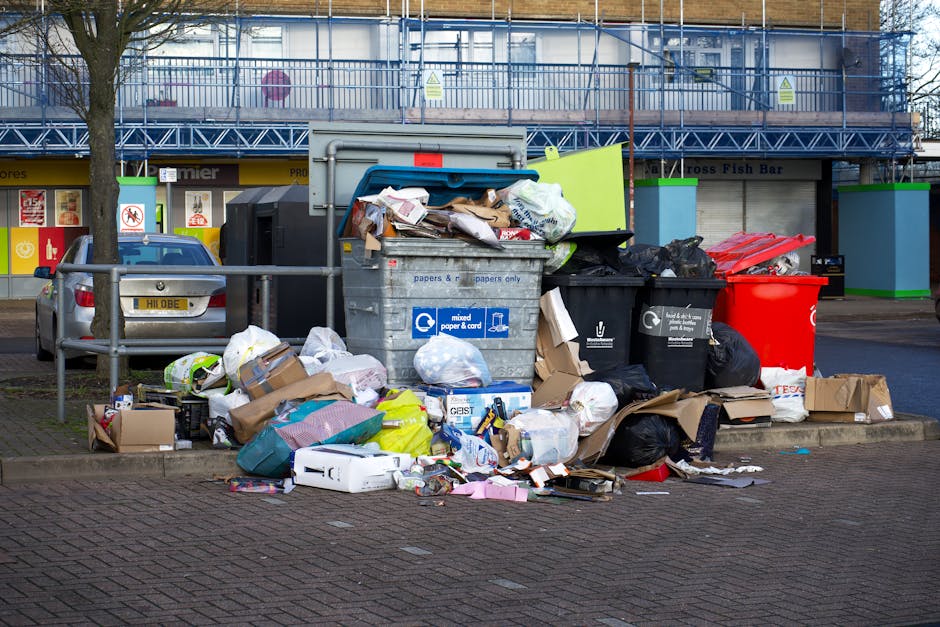
Bulky Waste Removal in Woolwich: Options & Costs
Posted on 07/05/2026
Bulky Waste Removal in Woolwich: Options & Costs
If you have a sofa wedged in a hallway, a mattress that needs shifting, or a stack of old cabinets taking over the spare room, bulky waste removal in Woolwich can feel like one more job you really did not ask for. Truth be told, it is rarely just about "getting rid of stuff". It is about choosing the safest, quickest, and most sensible route for items that are too large, too awkward, or too heavy for normal household bins.
This guide breaks down the options, the likely cost factors, and the practical decisions that make the process smoother. You will also see where bulky item removal overlaps with moving, storage, and clearance work, because in real life these jobs often blur together. If you are planning a bigger move, you may also find our removals services in Woolwich and man and van support useful alongside disposal planning.
For a more complete picture of how local moving support fits around clearances, the services overview and pricing and quotes pages are a sensible next stop. They help you compare the sort of job you actually need, rather than guessing from a vague headline price. And let's face it, that saves a lot of back-and-forth.
Why Bulky Waste Removal in Woolwich Matters
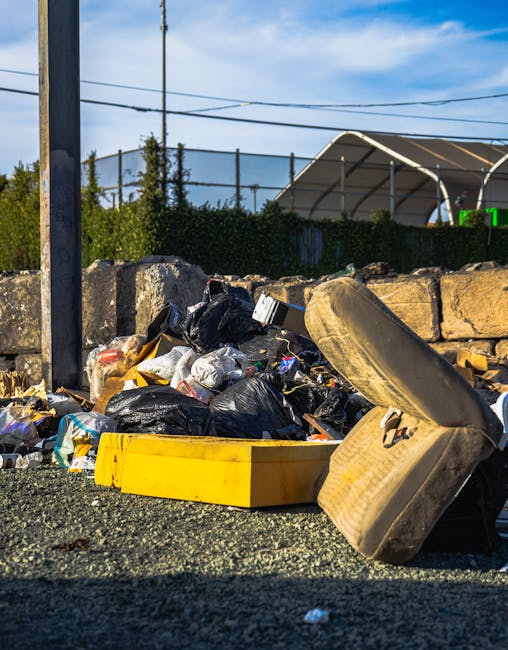
Bulky waste is exactly what it sounds like: large household items that are difficult to store, move, or dispose of through normal day-to-day methods. Think wardrobes, bed frames, sofas, washing machines, broken desks, garden furniture, and the odd "we will deal with that later" item that has somehow become permanent. In Woolwich, where many homes are flats, terraces, and compact properties with tight access, the problem is often less about volume and more about logistics.
That matters because bulky waste left sitting too long creates practical headaches. It blocks rooms, attracts dust, makes cleaning harder, and can slow down a move-out or refurbishment. Sometimes it also becomes a safety issue. A heavy item leaning in the wrong spot can be awkward at best and hazardous at worst. If you are clearing a property before sale or end of tenancy, pairing disposal with house cleaning for movers can save you from having to revisit the property twice.
There is also a financial angle. The wrong disposal method can cost more than expected once you add transport, access issues, labour, or a missed collection slot. A smart plan usually costs less than a rushed one. That sounds obvious, but people still end up paying for two men, a van, and a last-minute lift when the item could have been assessed properly first.
Expert summary: bulky waste removal is not just disposal. It is a mix of planning, safe lifting, vehicle choice, access checks, and cost control. The best option is usually the one that matches the item, the building, and how quickly you need it gone.
How Bulky Waste Removal in Woolwich Works
In practical terms, bulky waste removal follows a simple chain: identify the item, decide how it should leave the property, arrange the right support, and make sure the waste ends up in the right place. Easy to say. A bit more fiddly in a top-floor flat with a narrow stairwell and a freezer that has not been moved in years.
Most people in Woolwich use one of three approaches: local collection, a private removal service, or a DIY trip to a suitable disposal point where allowed. Each one suits a different situation. The trick is matching the method to the item's size, weight, condition, and urgency.
If the bulky item is part of a wider decluttering or moving plan, it can be worth combining jobs. For example, someone moving from a flat might clear out old furniture, pack remaining items, and arrange transport in one sequence. Our guide on preparing your home by clearing clutter is a useful companion piece for that stage.
In many cases, the service provider will ask for a short description or photo of the items, access details, and whether anything is especially fragile, heavy, or difficult to carry. That is not fussiness. It helps avoid underquoting and, more importantly, reduces the risk of damage on the day. A five-second description can save a very long awkward silence when the team arrives and finds a piano, a double freezer, and a surprise pile of dismantled shelving.
Key Benefits and Practical Advantages
The obvious benefit is getting your space back. But the real value goes further than that. Good bulky waste removal reduces stress, prevents injury, and keeps the job moving at a pace that suits your schedule.
- Less physical strain: Heavy lifting is where a lot of DIY disposal plans go wrong. If an item needs careful handling, trained lifting methods matter.
- Better time control: A booked collection or removal slot means the item leaves when you expect it to, not "sometime this week".
- Cleaner property handover: Ideal for moves, tenancy ends, office clearances, or a home renovation reset.
- Reduced risk of damage: Door frames, stair rails, and floors are easy to scuff when an item is too wide or heavy for one person.
- More efficient sorting: Reusable items, recyclable materials, and true waste can be separated properly rather than lumped together.
There is a quieter benefit too: headspace. Once the bulky items are gone, people usually make faster decisions about the rest of the room. One cleared sofa often leads to a cleared corner, then the rest follows. Funny how that works.
If your clearance is part of a bigger transition, our article on creating order during a house move sits naturally alongside this process. The two jobs often feed into each other.
Who This Is For and When It Makes Sense
Bulky waste removal is not just for people with a full house clear-out. It is useful in a lot of everyday situations, and some of them are more common than you might think.
- Home movers: If you are replacing furniture or leaving items behind before completion day.
- Flat residents: Especially where lift access is limited or stairwells are tight, as is often the case in local apartment blocks.
- Landlords and agents: For clearing left-behind items between tenancies.
- Families downsizing: Often the most emotionally awkward scenario, because there is always a piece of furniture with history attached.
- Students: When beds, desks, or cheap shelving need replacing before term ends. Our student removals Woolwich page is relevant if the item removal is happening alongside a move.
- Offices: For desks, chairs, cabinets, and old equipment that has reached the end of its useful life. See also office removals in Woolwich.
It makes sense whenever the item is too large to fit in normal waste, too heavy to move safely alone, or too awkward to justify improvising. If you are wondering whether to keep, sell, donate, or remove something, a simple rule helps: if it is delaying the rest of the project, it probably needs a decision now rather than later.
Step-by-Step Guidance
A tidy process keeps costs under control and avoids that last-minute panic where everyone stands around the item saying, "Right, how are we doing this then?" Here is the more sensible route.
- List the bulky items clearly. Include dimensions if you can, plus whether the item comes apart.
- Check access. Narrow hallways, basement steps, top-floor flats, parking restrictions, and long carries all affect the job.
- Separate what can be reused. Not everything bulky is rubbish. Some items may be suitable for storage or reuse, especially if you are between homes. Our storage in Woolwich page can help if you need a temporary holding solution.
- Decide on the removal route. Local collection, private clearance, or combined moving and disposal support.
- Ask for a quote based on real details. Accurate information usually produces a better price and fewer surprises.
- Prepare the item. Empty cupboards, unplug appliances safely, remove loose drawers if needed, and make a clear path.
- Arrange timing carefully. If the item is leaving before a handover or after new furniture arrives, leave a buffer. Delays happen. Not always, but enough.
- Confirm what happens next. If the provider is handling transport, ask where the item is going and whether reuse or recycling is part of the process.
For awkward pieces like sofas or mattress sets, preparation makes a big difference. Wrapping, corner protection, and the right lifting technique reduce damage. You can see this approach reflected in our article on moving beds and mattresses safely and in the guide to protecting sofas in storage.
Expert Tips for Better Results
A few small choices can cut stress and cost more than people expect. These are the details that tend to separate a smooth clearance from a frustrating one.
- Measure doorways before the removal day. A wardrobe that looks manageable in the room can become a nightmare at the hallway bend.
- Take photos from different angles. This helps whoever is quoting and helps you remember the tricky parts later.
- Group items by type. Heavy items together, fragile items away from them, and loose bits in a separate bag or box.
- Ask about lifting support early. Good moving teams use proper technique and planning; it is not just brute force. Our article on kinetic lifting techniques explains why that matters.
- Keep an eye on same-day pressure. If you need rapid collection, see whether same-day removals in Woolwich fit the timescale.
- Ask what is included in the quote. Labour, loading, access challenges, disposal, and waiting time can all change the final figure.
One practical habit I always recommend: clear a staging area near the exit before the team arrives. Even a few square feet of open space makes the whole job feel calmer. And calmer jobs tend to go better. Simple, but effective.
If you are already hiring a vehicle for another move-related task, a removal van in Woolwich may be the right fit for combined collection and delivery work. That is often more efficient than booking two separate trips.
Common Mistakes to Avoid
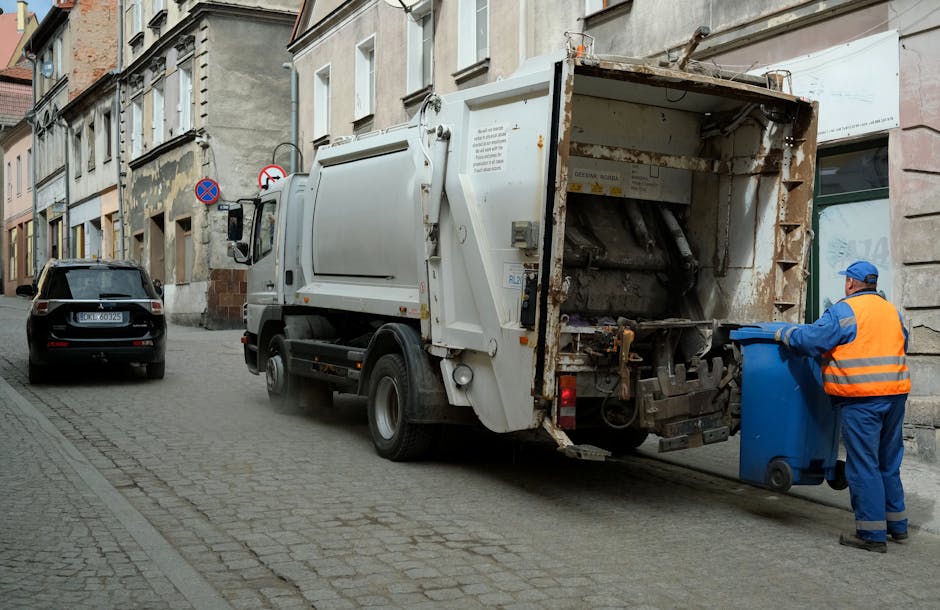
Most bulky waste problems come from rushing. Not always, but nearly always in a predictable way.
- Guessing the size. "It should fit" is not a plan. Measure properly.
- Leaving the item until the last day. Then everything becomes urgent, and urgent is usually more expensive.
- Forgetting access details. Parking restrictions, narrow stairs, and lift issues can turn a quick job into a delayed one.
- Trying to lift more than you should. That is where injuries and broken furniture happen. If in doubt, get help. Our piece on safe lifting for heavy items is worth a look.
- Mixing rubbish with reusable items. Once everything is treated as waste, you lose flexibility.
- Assuming all bulky items are treated the same. A sofa, fridge, mattress, and office desk can all require different handling.
There is also the emotional mistake nobody talks about: keeping a huge item because you do not want to make the decision yet. Fair enough, we all do it. But the room does not care about sentimental delay. The item still takes up the same amount of space.
Tools, Resources and Recommendations
You do not need a warehouse of specialist equipment to manage bulky waste sensibly, but a few basics make life easier.
| Tool or resource | Why it helps | Best used for |
|---|---|---|
| Measuring tape | Checks whether items fit through doors and stair turns | Furniture, white goods, awkward flat clearance |
| Protective wraps and blankets | Reduces scuffs and edge damage during removal | Sofas, tables, bed frames, cabinets |
| Sturdy gloves | Improves grip and helps with rough or dusty items | General handling and sorting |
| Dolly or trolley | Makes moving heavier items safer and less tiring | Appliances, boxes of dismantled parts, stacked items |
| Clear label bags | Keeps screws, brackets, and fittings together | Dismantled furniture and reassembly later |
For customers trying to decide whether to hire help or do it themselves, it is worth comparing the full picture, not just the sticker price. A cheap option that needs two return journeys or causes damage can stop being cheap very quickly. That is usually where the real cost sits.
If you are getting ready for a bigger move or need packing support before disposal, packing and boxes in Woolwich can help you organise the items you are keeping, while packing like a pro gives a few useful habits worth borrowing.
Law, Compliance, Standards, or Best Practice
When bulky items are removed, the main thing to keep in mind is responsible handling. In the UK, waste should be transferred only to appropriate and authorised routes. You do not need to memorise legislation to make a sensible choice, but you should be careful about who handles your waste and what happens next.
For residents and businesses alike, best practice usually means using a provider that can explain the process clearly, handles items safely, and disposes of them through legitimate channels. Reuse and recycling should be considered before disposal where practical, especially for furniture and appliances that still have some life left in them.
If you are clearing a workplace or rental property, keep records of what has been removed and when. That is simply good housekeeping. It helps if questions come up later, and it avoids the vague "I thought someone else dealt with that" conversation nobody enjoys.
From a safety point of view, items like fridges, freezers, and large cabinets can be awkward because of weight distribution and hidden hazards. For appliances that are being stored temporarily rather than removed immediately, our guide to protecting a freezer while it is idle may be useful. For transport and safety standards, it is also sensible to review the company's insurance and safety information and health and safety policy.
Options, Methods, or Comparison Table
There is no single "best" bulky waste method. There is only the best fit for your situation. Here is a practical comparison.
| Option | Best for | Pros | Watch-outs |
|---|---|---|---|
| Local bulky item collection | Simple, well-defined household items | Convenient, familiar process, no vehicle hire | May involve waiting, item limits, or access rules |
| Private removal service | Heavy, awkward, urgent, or multiple items | Flexible timing, labour included, less lifting for you | Price varies with access, load size, and urgency |
| DIY transport | People with a suitable vehicle and safe loading ability | Can be economical for smaller loads | Risk of injury, damage, and hidden time costs |
| Combined move-and-clearance | House moves, flat moves, office changes | Efficient, fewer bookings, better coordination | Needs clear planning and accurate item lists |
For many Woolwich residents, the combined approach is the sweet spot. It works especially well when you are already using a man with a van in Woolwich for moving a few things and want unwanted bulky pieces removed in the same visit. Neat, efficient, done.
Case Study or Real-World Example
Here is a realistic example from the kind of situation people run into all the time.
A couple moving out of a first-floor flat in Woolwich had a broken wardrobe, a mattress, and an old TV stand that they did not want to take to the new place. The hallway was narrow, the stairwell had a turn halfway down, and parking outside was limited. They initially planned to shift everything themselves, but once they measured the wardrobe and looked at the stair angle, they realised it was going to be awkward. Very awkward.
Instead, they separated the items into two groups: one to keep and one to remove. The keep pile was packed first, using protective materials and labelled boxes, while the bulky waste items were staged near the door. Because access details were shared in advance, the removal plan accounted for the narrow stairway and the short loading window outside. The result was quicker than expected and far less stressful than doing it piecemeal over several weekends.
What made the difference was not luck. It was preparation, honest assessment, and not trying to muscle through a job that needed a plan. That is usually the lesson with bulky waste. The expensive mistake is often pretending it is simpler than it is.
Practical Checklist
Use this checklist before booking bulky waste removal in Woolwich:
- Identify every item that needs removing.
- Measure large pieces and note whether they dismantle.
- Check stairs, lifts, parking, and narrow access points.
- Decide whether any items can be reused, stored, or donated.
- Take photos of the items and access route.
- Ask for a quote that includes labour and access considerations.
- Confirm timing, especially if you have a move-out deadline.
- Clear a path from the item to the exit.
- Protect floors, corners, and other furniture where needed.
- Keep any screws, fittings, or loose parts together.
- Ask how the items will be handled after collection.
- Save paperwork or confirmation for your records.
If the removal is part of a flat move, it may help to read the local guide on flat removals in Woolwich. It gives a useful sense of how access and timing shape the rest of the job.
Conclusion
Bulky waste removal in Woolwich is really about choice, timing, and practicality. Once you understand the options, the process becomes much less intimidating. You can decide whether a simple collection, a private removal service, or a combined move-and-clearance approach gives you the best balance of convenience and cost.
The smartest outcomes usually come from a calm bit of planning: measure first, ask clear questions, and match the service to the actual job. That approach protects your time, your property, and your back. Not glamorous, but effective.
If you are planning a clearance alongside a move, a tidy home reset, or a last-minute handover, it is worth getting advice early rather than leaving the bulky item until the final hour. A little structure goes a long way, especially in a busy area like Woolwich where access and timing can make all the difference.
Get a free quote today and see how much you can save.
And if you need a team that understands local moves, awkward furniture, and the small realities of London access, start with the pages above and take it one step at a time. You will get there.